
Why You're Not Losing Belly Fat: Expert Reveals Simple Solutions.
If you've been sweating through workouts, counting calories, and still watching your midsection refuse to budge, you're not alone and you're not failing. The truth is, belly fat is one of the most stubborn areas to target, and the reasons why might surprise you. From hidden stress hormones to sneaky dietary habits, science reveals that losing belly fat isn't about willpower alone. It's about understanding your body and working with it, not against it.
📋 Table of Contents
- Understanding Belly Fat: It's Not All the Same
- 7 Science-Backed Reasons You're Not Losing Belly Fat
- Expert-Approved Solutions That Actually Work
- The Nutrition Blueprint for a Healthier Midsection
- Smart Exercise Strategies (Hint: It's Not Just Crunches)
- Lifestyle Factors: Sleep, Stress, and Beyond
- When to Consult a Healthcare Professional
- Your Sustainable Path Forward
Understanding Belly Fat: It's Not All the Same
Before we dive into why your belly fat isn't disappearing, let's clear up a common misconception. When we talk about "belly fat," we're actually referring to two different types of fat that behave very differently in your body.
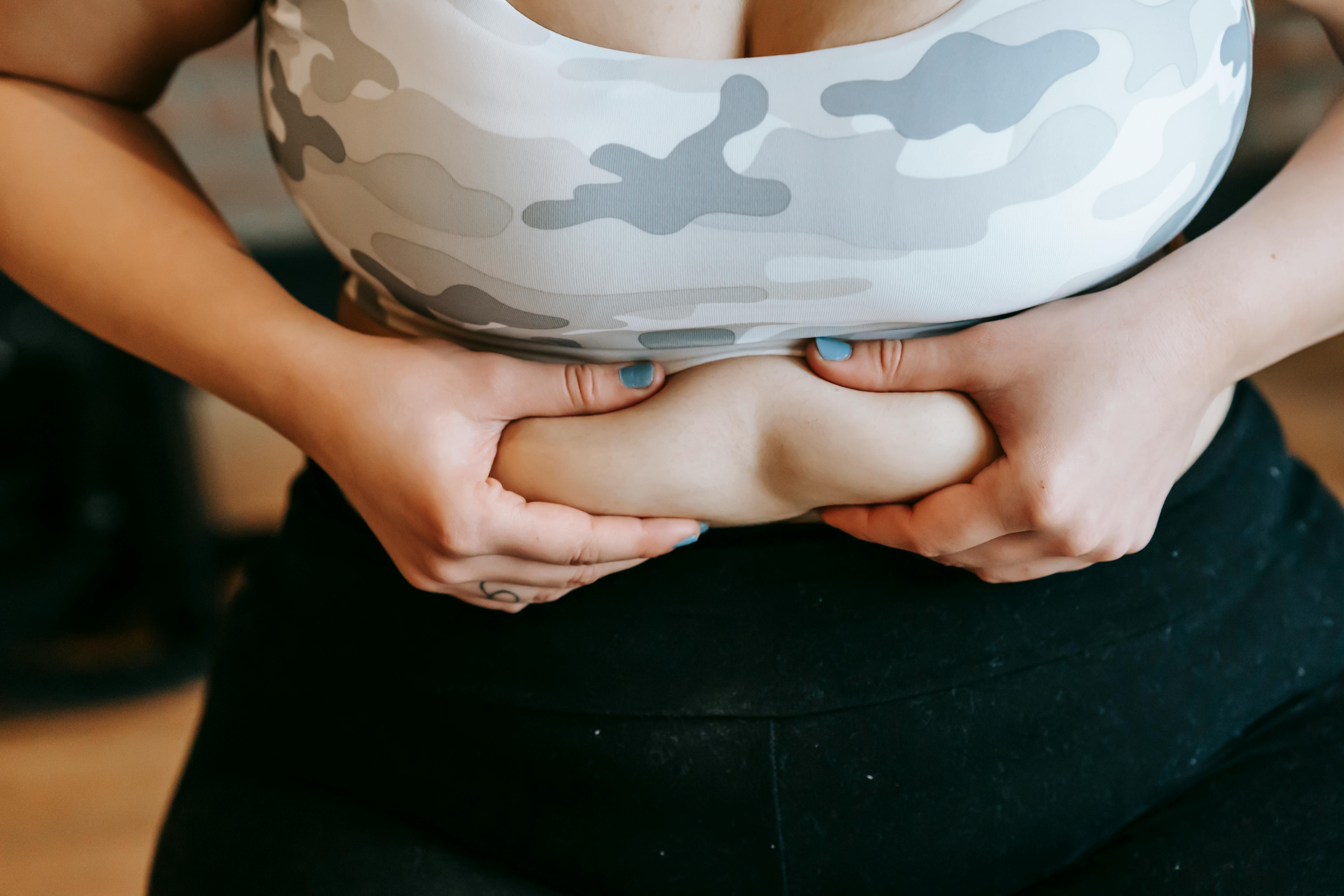
Subcutaneous fat is the soft, pinchable layer that sits just under your skin. It's the fat you can grab with your fingers. While it might affect how you look in fitted clothes, it's generally less dangerous from a health perspective.
Visceral fat, on the other hand, is the hidden troublemaker. It wraps around your internal organs like a snug blanket, and it's far more metabolically active. According to research from Harvard Health, visceral fat is strongly linked to cardiovascular disease, type 2 diabetes, and high blood pressure. The concerning part? You can't see it or pinch it but it's there, silently affecting your health.
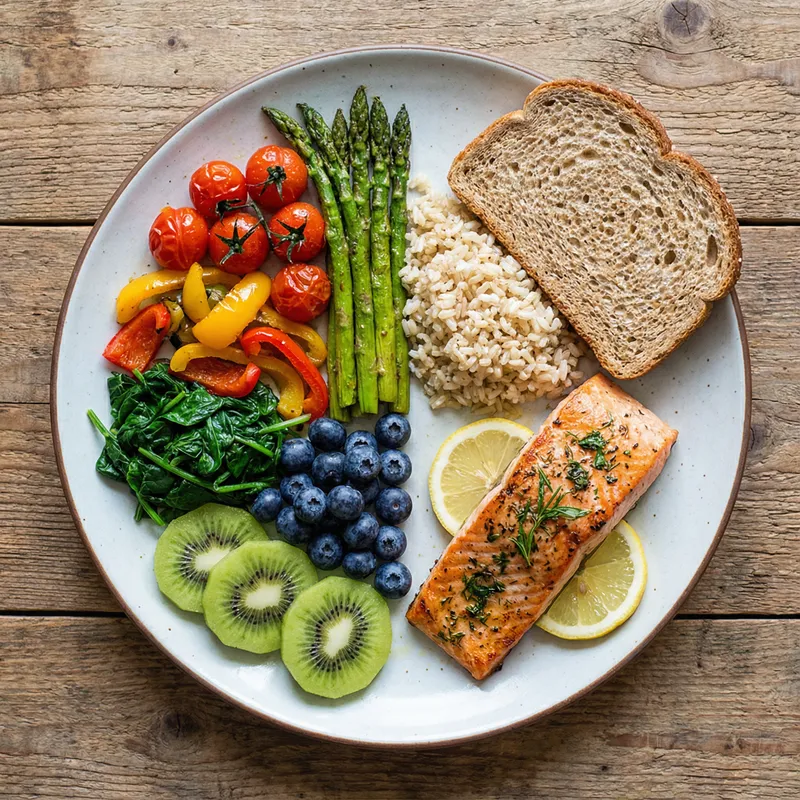
A balanced plate: vegetables, lean protein, whole grains, and healthy fats form the foundation of belly fat-friendly eating.
The good news? Because visceral fat is more metabolically active, it actually responds faster to diet and exercise changes than fat on your hips or thighs. Your body is designed to mobilize this fat first when you create the right conditions.
Where your body tends to store fat depends on several factors you can't control: your genes, your hormones, your age, and even your birth weight. Women, especially after menopause, tend to store more fat in the abdominal area. Men typically accumulate visceral fat more readily throughout adulthood. But while you can't change your genetics or rewind your age, you absolutely can influence how much fat your body stores and where.
7 Science-Backed Reasons You're Not Losing Belly Fat
Let's get real about what's actually standing between you and a healthier midsection. These aren't excuses they're biological realities that, once understood, can be addressed with targeted strategies.
-
You're Fighting Against Your Biology
Here's a truth that diet culture doesn't want you to hear: your body is actively working against weight loss. When you reduce calories, your body perceives it as a threat and triggers what scientists call "metabolic adaptation." Your resting metabolic rate can drop within days of starting a calorie deficit, making weight loss progressively harder.
Research published in the American Journal of Clinical Nutrition found that after significant weight loss, fat cells become highly insulin-sensitive and fuel-exhausted, secreting lower levels of leptin the hormone that tells your brain you're full. This hormonal shift increases hunger, reduces satiety, and essentially primes your body to regain weight. If you've yo-yo dieted in the past, your body may be carrying forward this "metabolic debt," making it even harder to lose weight with a standard calorie deficit.
-
Stress Is Literally Expanding Your Waistline
When you're stressed, your body releases cortisol a hormone that, in short bursts, is helpful. But when stress becomes chronic, cortisol tells your body to store fat, specifically in the abdominal area. A 2018 review in the journal Obesity confirmed that long-term elevated cortisol levels significantly raise the risk of obesity and higher amounts of abdominal fat.
But cortisol isn't the only culprit. Stress also affects your eating behaviors. When you're overwhelmed, you're more likely to reach for energy-dense comfort foods those high in fat and sugar that provide temporary relief but long-term consequences. Studies show that psychological distress encourages abdominal fat formation through both hormonal pathways and behavioral changes.
-
Your Sleep Habits Are Sabotaging You
Think sleep is just rest? Think again. A five-year study tracking adults under 40 found that those who slept five hours or less per night accumulated significantly more visceral fat. But here's the twist: sleeping more than eight hours was also associated with visceral fat gain. The sweet spot appears to be somewhere in the middle.
When you don't sleep enough, your body disrupts appetite regulating hormones. Ghrelin (the hunger hormone) spikes, while leptin (the satiety hormone) drops. The result? You wake up ravenous and craving high calorie foods. Late-night eating, often triggered by sleep deprivation, further compounds the problem by adding unnecessary calories right when your metabolism is slowing down.
-
You're Eating "Healthy" Foods That Aren't So Healthy
Here's where things get tricky. You might be eating foods marketed as healthy granola bars, smoothies, low-fat yogurt, whole wheat bread without realizing they're loaded with added sugars, refined carbohydrates, or hidden calories. A landmark study from the National Institutes of Health found that people eating ultra-processed diets consumed approximately 500 more calories per day than those eating whole, unprocessed foods even when both diets contained the same amount of protein, fat, and carbohydrates.
Fructose-sweetened foods and beverages deserve special attention. Unlike glucose, which is used by all your cells for energy, fructose is processed almost exclusively by your liver. Excess fructose gets converted to fat, and research suggests it preferentially promotes visceral fat accumulation. This doesn't mean you should fear fruit the fiber in whole fruit slows absorption but it does mean limiting sugary drinks and foods with added sweeteners.
-
You're Doing the Wrong Types of Exercise
Let me save you some time: crunches will not melt your belly fat. Spot reduction is a myth that has persisted for decades. While abdominal exercises strengthen your core muscles, they don't selectively burn the fat covering them. If you're doing hundreds of sit ups but skipping cardio and strength training, you're missing the bigger picture.
According to the Centers for Disease Control and Prevention (CDC), adults need at least 150 minutes of moderate-intensity aerobic activity weekly plus two sessions of muscle-strengthening activities. But here's what many people miss: not all exercise affects belly fat equally. Aerobic exercise (like brisk walking, swimming, or cycling) is excellent for burning visceral fat, while strength training builds muscle mass that increases your resting metabolic rate. You need both.
-
Your Hormones Are Working Against You
Hormonal changes can dramatically affect where your body stores fat. For women, declining estrogen levels during perimenopause and menopause are linked to increased abdominal fat. Low estrogen from other causes such as eating disorders, premature ovarian failure, or certain medications can have similar effects.
Insulin resistance is another hormonal factor that deserves attention. When your cells become less responsive to insulin, your body produces more of it. High insulin levels promote fat storage, particularly in the abdominal area. Conditions like polycystic ovary syndrome (PCOS) are closely tied to insulin resistance and can make weight loss more challenging, though research shows that lifestyle interventions can still be effective.
-
You're Drinking Your Calories
Alcohol, sugary coffee drinks, sports beverages, and even "healthy" juices can add hundreds of calories to your daily intake without providing satiety. Alcohol is particularly problematic because your body prioritizes metabolizing it over other nutrients, essentially putting fat burning on pause. Plus, alcohol lowers inhibitions, making that late-night pizza order far more likely.
Sugary drinks are equally concerning. Research shows that calories from liquids are poorly compensated for meaning your body doesn't adjust by eating less food later. A daily soda or sweetened latte can add up to significant weight gain over time, much of it settling around your midsection.
Expert-Approved Solutions That Actually Work
Now for the part you've been waiting for: what actually works? The following strategies are backed by peer-reviewed research and recommended by nutritionists, exercise physiologists, and medical professionals. No gimmicks, no detox teas, no "weird tricks." Just science.
🥗 Prioritize Whole Foods
Base your diet around vegetables, fruits, lean proteins, whole grains, legumes, nuts, and seeds. Research suggests that primarily plant-based diets may help reduce belly fat. Avoid ultra-processed foods whenever possible.
💧 Drink More Water
Studies show that drinking more water can support weight management. Choosing water over sweetened beverages means fewer calories and better hydration. Aim for consistent water intake throughout the day.
🚶 Move Consistently
You don't need to run marathons. Brisk walking for 30 minutes most days, combined with two weekly strength training sessions, can significantly reduce visceral fat. Consistency beats intensity.
😴 Sleep 7-8 Hours
Protect your sleep like your health depends on it because it does. Establish a consistent bedtime, limit screens before bed, and create a cool, dark sleep environment.
🧘 Manage Stress Daily
Incorporate stress reduction practices like meditation, deep breathing, yoga, or even regular walks in nature. A trial found that stress management program participants lost significantly more weight than control groups.
📏 Watch Portion Sizes
Even healthy foods contain calories. Being mindful of portion sizes can help prevent overeating without requiring obsessive tracking. Use smaller plates and eat slowly.
The Nutrition Blueprint for a Healthier Midsection
Let's talk about what should actually be on your plate. The Mediterranean diet pattern consistently shows promise for reducing visceral fat and improving metabolic health. This isn't a restrictive diet it's a flexible, sustainable way of eating that emphasizes:
- Vegetables and fruits: Fill half your plate with colorful produce. The fiber improves satiety and supports gut health.
- Lean proteins: Fish, poultry, legumes, and tofu help preserve muscle mass during weight loss.
- Whole grains: Brown rice, quinoa, oats, and whole wheat provide sustained energy and fiber.
- Healthy fats: Avocados, nuts, seeds, and olive oil support hormone production and help you feel satisfied.
- Limit: Added sugars, refined carbohydrates, processed meats, and excessive sodium.
One often-overlooked factor is meal timing. Late-night eating especially large meals or snacks close to bedtime can interfere with fat metabolism and sleep quality. Try to finish your last meal at least 2-3 hours before bed. If you're genuinely hungry, a small protein-rich snack (like Greek yogurt or a handful of nuts) is a better choice than carbohydrate-heavy foods.
Fiber deserves special mention. Different types of fiber have different effects on satiety and gut health. Soluble fiber, found in oats, beans, and apples, forms a gel like substance in your digestive tract that slows digestion and keeps you full longer. Aim for a mix of soluble and insoluble fiber from whole food sources rather than relying solely on supplements.
Smart Exercise Strategies (Hint: It's Not Just Crunches)

Brisk walking is one of the most effective and accessible exercises for reducing visceral fat.
If you want to target belly fat, you need to think beyond the ab mat. Here's what the research actually supports:
Aerobic Exercise: This is your foundation. Brisk walking, cycling, swimming, or dancing for at least 150 minutes per week at moderate intensity. Harvard Health notes that even if you don't lose weight on the scale, aerobic exercise reduces visceral fat and increases muscle mass. The key is consistency and gradual progression. Start where you are even 10-minute walks count and build up over time.
Strength Training: Muscle is metabolically active tissue. The more muscle you have, the more calories you burn at rest. Two sessions per week targeting all major muscle groups can help offset the metabolic slowdown that often accompanies weight loss. Don't worry about bulking up building significant muscle mass requires specific training and nutrition protocols that most casual exercisers won't accidentally stumble into.
NEAT (Non-Exercise Activity Thermogenesis): This is the calorie burn from daily movements that aren't formal exercise walking to your car, standing while on the phone, fidgeting, gardening. Research suggests NEAT can vary by up to 2,000 calories per day between individuals. Increase yours by taking stairs instead of elevators, parking farther away, standing desks, and walking during phone calls.
High-Intensity Interval Training (HIIT): Short bursts of intense activity followed by recovery periods can be time-efficient and effective for visceral fat reduction. However, HIIT isn't necessary for everyone, and it may not be appropriate if you're new to exercise or have certain health conditions. Always check with a healthcare provider before starting high intensity workouts.
Lifestyle Factors: Sleep, Stress, and Beyond
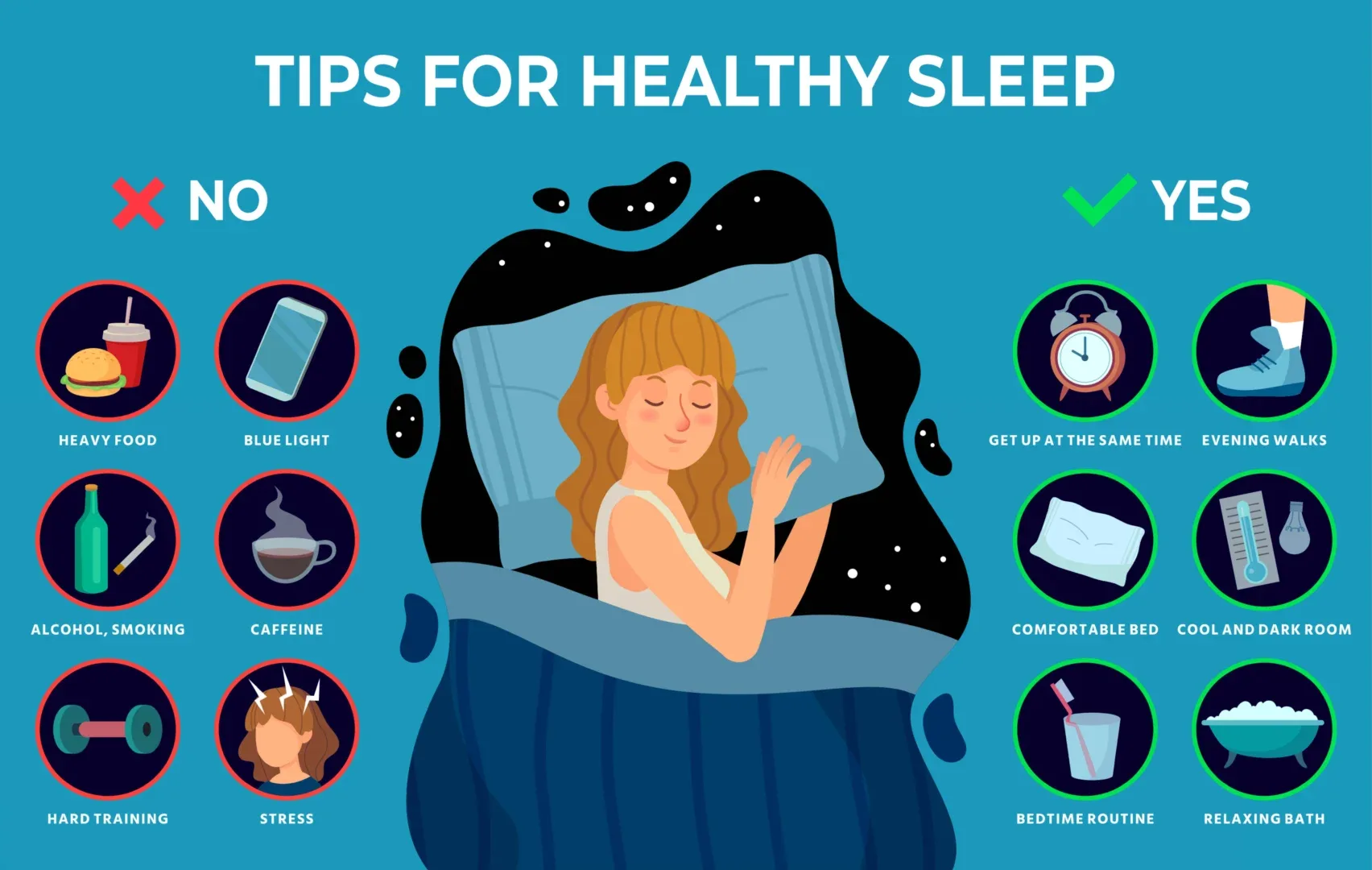
Good sleep hygiene is a non-negotiable pillar of sustainable fat loss and overall health.
You can eat perfectly and exercise religiously, but if your lifestyle habits are working against you, progress will be frustratingly slow. Here are the non-negotiables:
Sleep Optimization
Sleep isn't a luxury it's a biological requirement for fat loss. Poor sleep disrupts glucose metabolism, increases hunger hormones, and decreases your motivation to exercise. Create a sleep sanctuary: keep your bedroom cool (around 65°F/18°C), dark, and quiet. Establish a wind-down routine that starts 30-60 minutes before bed. Put down the phone the blue light suppresses melatonin production, making it harder to fall asleep.
Stress Management
Chronic stress is perhaps the most underappreciated factor in belly fat accumulation. You don't need to meditate for an hour daily (though if you do, great). Even five minutes of deep breathing, a short walk outside, or journaling can help lower cortisol levels. Consider building a "stress toolkit" a collection of practices you can turn to when life gets overwhelming. Research shows that stress management program participants lost significantly more weight compared to those following diet and exercise advice alone.
Social Support
Don't underestimate the power of community. Studies consistently show that people with strong social support lose more weight and maintain it longer. Whether it's a workout buddy, an online community, or a supportive family member, having people in your corner makes the journey more sustainable and enjoyable.
Environmental Awareness
Emerging research suggests that environmental factors like air pollution and endocrine-disrupting chemicals (found in some plastics) may influence weight regulation. While you can't eliminate all exposure, you can make mindful choices: use glass or stainless steel containers when possible, filter your water, and prioritize outdoor exercise in green spaces when air quality allows.
When to Consult a Healthcare Professional
While lifestyle changes are powerful, sometimes belly fat persists despite your best efforts and that's not a personal failure. Certain medical conditions can make weight loss more challenging, including:
- You've made consistent lifestyle changes for 3-6 months without any progress
- You have symptoms of hypothyroidism (fatigue, cold intolerance, hair loss, dry skin)
- You suspect hormonal imbalances (irregular periods, unexplained mood changes)
- You have a family history of metabolic syndrome or type 2 diabetes
- You're taking medications known to affect weight (some antidepressants, beta-blockers, corticosteroids)
- Your waist circumference exceeds 40 inches (men) or 35 inches (women)
A healthcare provider can run appropriate tests, review your medications, and create a personalized plan. In some cases, medical interventions including medication or bariatric surgery may be appropriate for individuals with significant obesity and related health conditions. These decisions should always be made in consultation with qualified professionals.
Your Sustainable Path Forward
Here's the truth that diet culture hopes you'll never learn: your worth is not determined by your waistline. The goal isn't a six-pack by next month it's a healthier, more energetic, more resilient body that supports the life you want to live.
Losing belly fat is a journey that requires patience, consistency, and self-compassion. The scale might not always reflect your progress, especially if you're building muscle while losing fat. Pay attention to how your clothes fit, your energy levels, your sleep quality, and your overall sense of wellbeing. These are often better indicators of health than any number.
Remember: sustainable weight loss is typically 1-2 pounds per week. If you're losing faster than that, you might be losing water and muscle rather than fat. Slow and steady isn't just a cliché it's biology.
Focus on progress, not perfection. One healthy meal, one walk, one good night's sleep at a time. Your body is incredibly adaptive, and given the right conditions nutritious food, regular movement, adequate rest, and stress management it will find its way to a healthier set point.
You've got this. And now, you've got the science-backed knowledge to do it right.
📚 References & Sources
- WebMD. "Reasons You're Not Losing Belly Fat." https://www.webmd.com/diet/ss/slideshow-reasons-not-losing-belly-fat
- Healthgrades. "Why Is Belly Fat So Hard to Lose? 8 Reasons and Solutions." https://resources.healthgrades.com/right-care/weight-control-and-obesity/7-reasons-belly-fat-is-so-hard-to-lose
- PMC/NIH. "What could be the reasons for not losing weight even after following a weight loss program?" https://pmc.ncbi.nlm.nih.gov/articles/PMC10908186/
- Harvard Health Publishing. "Taking Aim at Belly Fat." https://www.health.harvard.edu/newsletter_article/taking-aim-at-belly-fat
- Centers for Disease Control and Prevention (CDC). "Physical Activity Guidelines for Adults." https://www.cdc.gov/physicalactivity/index.html
- National Institutes of Health. "Ultra-Processed Diets and Energy Intake." Cell Metabolism, 2019.
- American Journal of Clinical Nutrition. "Metabolic adaptation to caloric restriction and subsequent refeeding." 2015.


3 Comments
Nice article with so much explain words i like
ReplyDeletegood
DeleteThnks a lot for all this informations
ReplyDelete