

There is a reason avocados have gone from a niche health-food curiosity to a supermarket staple found in kitchens across the globe. It is not just their buttery texture or Instagram-worthy toast potential. Beneath that dark green, bumpy skin lies a nutritional powerhouse that scientists have been rigorously studying for years and the results keep getting better.
Whether you are a busy parent trying to feed your family better, an athlete chasing personal bests, or simply someone who wants to understand what is really on your plate, this guide breaks down everything you need to know about avocado nutrition in plain English. No jargon, no exaggerated claims, just the facts backed by real research.
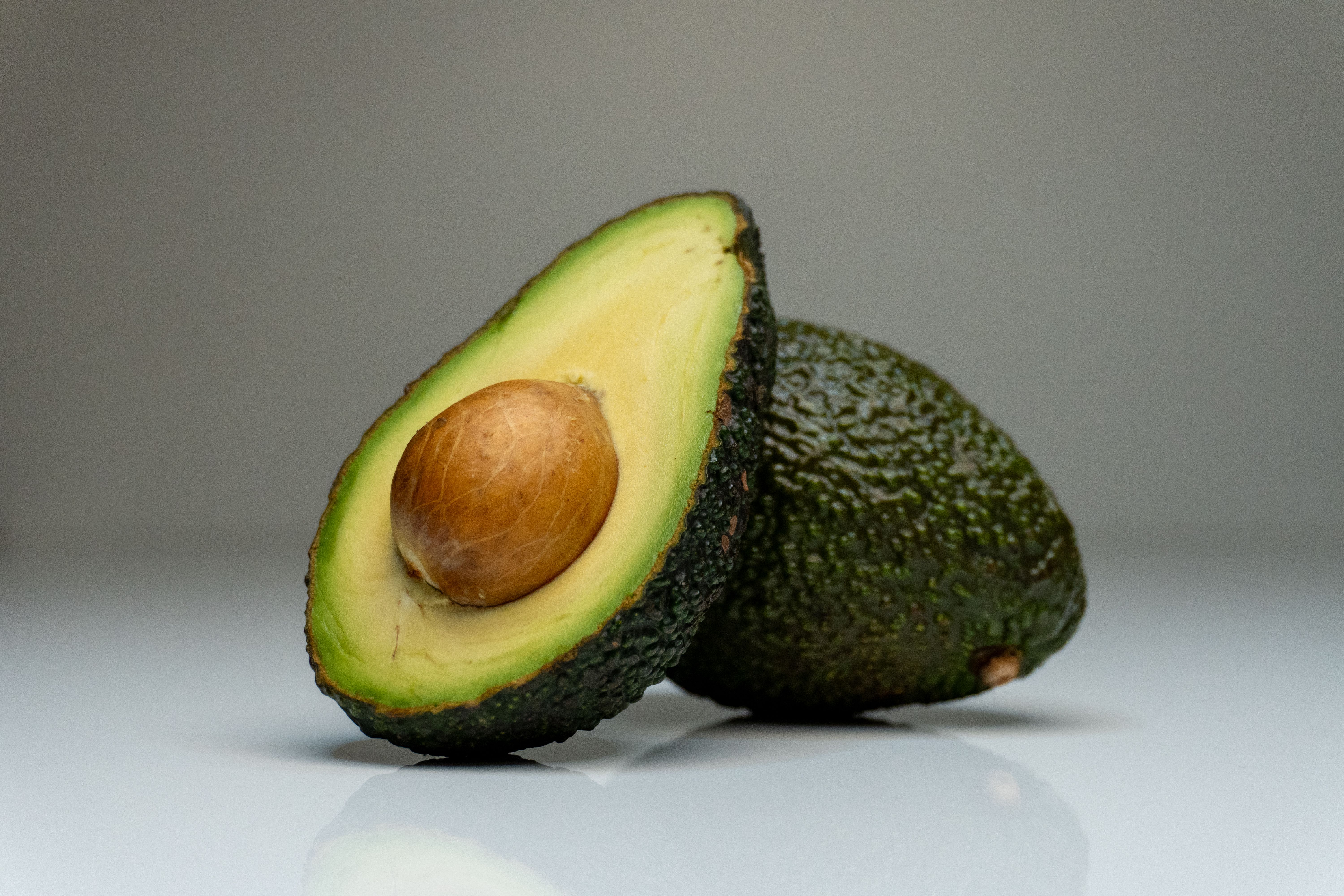
A fresh Hass avocado — the most studied variety in clinical nutrition research.
📋 Table of Contents
- What Makes Avocados So Special?
- The Complete Nutrition Breakdown
- Heart Health: The Evidence Keeps Growing
- Weight Management and Satiety
- Brain Power and Cognitive Function
- Gut Health and Your Microbiome
- Why Athletes Are Adding Avocados to Their Training Plans
- The Secret "Nutrient Booster" Effect
- How to Eat More Avocados (Without Getting Bored)
- Buying, Storing, and Ripening Tips
- The Bottom Line
What Makes Avocados So Special?
Most fruits are known for being high in carbohydrates and natural sugars. Think apples, bananas, or grapes. Avocados break the mold entirely. They are one of the few fruits that are predominantly fat but not just any fat. The fat in avocados is mostly monounsaturated fat, the same heart-healthy type found in olive oil that has been celebrated in Mediterranean diets for decades.
What makes this truly fascinating is the ratio. Hass avocados contain roughly a 6-to-1 ratio of unsaturated to saturated fat, which is remarkably similar to extra-virgin olive oil. This unique fat profile is one of the key reasons researchers have identified avocados as a standout food for cardiovascular health.
But the fat is only part of the story. Avocados are also surprisingly low in sugar compared to other fruits. A whole avocado contains about less than one gram of sugar. Instead of sugar, you are getting fiber lots of it along with a laundry list of vitamins and minerals that most people do not get enough of in their daily diets.
Another often-overlooked feature is their low energy density. Despite being rich in fat, avocados are about 79% water and fiber by weight. That means they pack a lot of nutrition into relatively few calories per gram, making them a satisfying addition to meals without weighing you down.
The Complete Nutrition Breakdown
Let us get specific. Here is what you are actually getting when you eat one medium Hass avocado (about 150 grams, or roughly one whole fruit):
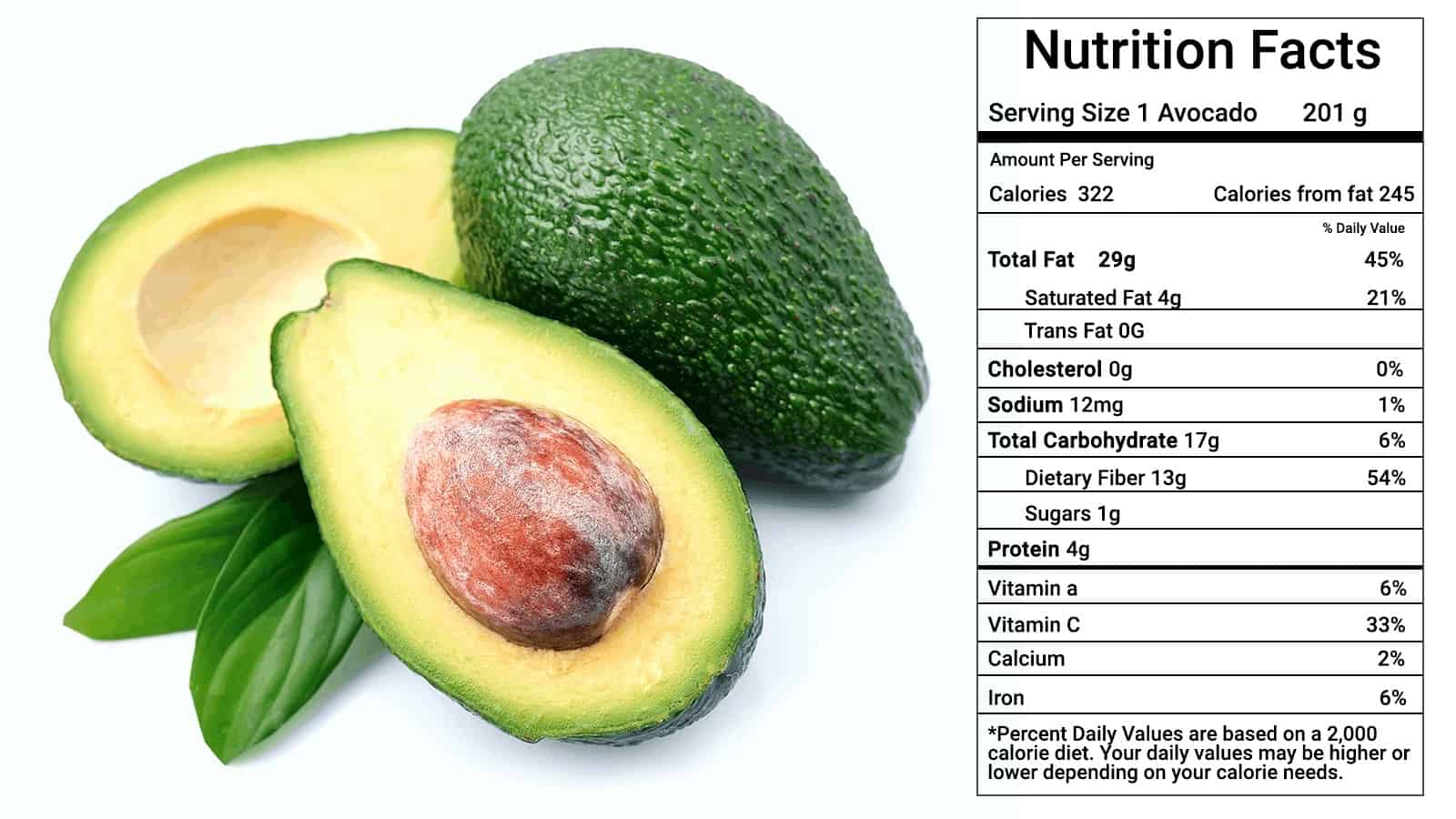
Nutrition facts for one medium avocado a nutrient-dense package in every bite.
| Nutrient | Amount | % Daily Value |
|---|---|---|
| Calories | 240 kcal | 12% |
| Total Fat | 22 g | 28% |
| Monounsaturated Fat | 15 g | — |
| Saturated Fat | 3 g | 15% |
| Carbohydrates | 13 g | 5% |
| Dietary Fiber | 10 g | 36% |
| Sugars | <1 g | — |
| Protein | 3 g | 6% |
| Potassium | 728 mg | 15% |
| Vitamin K | 31 mcg | 26% |
| Folate | 163 mcg | 41% |
| Vitamin C | 12 mg | 13% |
| Vitamin E | 3 mg | 20% |
| Vitamin B5 (Pantothenic Acid) | 2 mg | 40% |
| Lutein + Zeaxanthin | 369 mcg | — |
Notice anything striking? That fiber number is exceptional. Most adults struggle to hit the recommended 25–30 grams of fiber per day. One avocado gets you more than a third of the way there. The potassium content is also noteworthy avocados contain more potassium gram-for-gram than bananas, which makes them a fantastic natural option for supporting healthy blood pressure and muscle function.
Folate is another standout. With 41% of your daily value in a single fruit, avocados are an excellent choice for anyone focused on cellular health, DNA repair, and for women during pregnancy. The B-vitamin complex, particularly pantothenic acid, plays a crucial role in converting the food you eat into usable energy.
Heart Health: The Evidence Keeps Growing
Cardiovascular disease remains the leading cause of death worldwide, so any food that can genuinely help your heart deserves serious attention. The good news? Avocados have been studied extensively, and the results are consistently encouraging.
A landmark study published in the Journal of the American Heart Association found that people who ate two or more servings of avocado per week had a 16% lower risk of cardiovascular disease compared to those who rarely or never ate them. Even more impressively, replacing just a quarter of a serving of butter, margarine, egg, yogurt, cheese, or processed meat with an equivalent amount of avocado was associated with a 22% lower risk of cardiovascular disease.
How does this work? The monounsaturated fats in avocados help lower LDL cholesterol the "bad" kind that contributes to artery-clogging plaque. But it goes beyond just cholesterol numbers. Clinical trials have shown that adding avocado to meals can improve endothelial function, which is the ability of your blood vessels to dilate and allow healthy blood flow. In one fascinating study, researchers found that eating half an avocado with a hamburger patty actually prevented the blood vessel constriction that normally occurs after eating red meat alone. It also reduced inflammatory markers in the bloodstream.
💡 Key Takeaway for Heart Health
You do not need to overhaul your entire diet. Simply swapping avocado for butter on your morning toast,or using mashed avocado instead of mayo on your sandwich, can make a measurable difference in your cardiovascular risk profile over time.
More recent research from 2025 expanded into sleep and heart health connections. A six-month clinical study of nearly 1,000 adults found that daily avocado consumption not only improved diet quality but also led to reductions in LDL and total cholesterol levels. Participants also reported better sleep quality a bonus that researchers are still exploring.
Weight Management and Satiety
Here is where things get counterintuitive. A food that is roughly 80% fat is actually good for weight management? The science says yes when that food is an avocado.
The secret lies in a combination of three factors: fiber content, fat quality, and energy density. The fiber in avocados slows digestion and triggers satiety hormones that tell your brain you are full. The healthy fats do the same, but through a different mechanism they stimulate the production of compounds like oleoylethanolamide in your intestine, which signals satiety to your brain and may even increase energy expenditure.
Large observational studies back this up. Analysis of data from the National Health and Nutrition Examination Survey (NHANES) showed that regular avocado consumers had significantly lower body weight, BMI, and waist circumference than non-consumers. They also had a 33% lower risk of becoming overweight or obese and a 50% lower risk of metabolic syndrome.
It is worth noting that portion awareness still matters. One medium avocado contains about 240 calories, which is reasonable for a nutrient-dense whole food, but adding three avocados to your daily smoothie might tip the scales. The sweet spot for most people appears to be half to one whole avocado per day, depending on your overall calorie needs and activity level.
Brain Power and Cognitive Function
Your brain is nearly 60% fat, so it makes sense that the type of fat you eat matters for cognitive health. Avocados deliver fats that your brain actually likes, along with a unique carotenoid called lutein that has been linked to better brain function across multiple age groups.
In a randomized controlled trial lasting six months, older adults who ate one Hass avocado daily showed significant improvements in frontal cortex executive function the part of your brain responsible for sustained attention, problem-solving, and decision-making. They also showed improved memory scores compared to a control group eating potatoes or chickpeas.
Younger adults benefit too. A separate study found that overweight adults aged 25–45 who consumed avocados daily for three months experienced improvements in processing speed, working memory, and attention.The researchers believe lutein and the healthy fat profile work together to improve blood flow to the brain and reduce oxidative stress in neural tissue.
Lutein is particularly interesting because it can cross the blood-brain barrier and accumulate in areas like the prefrontal cortex and hippocampus regions critical for memory and executive function. Avocados happen to be one of the best dietary sources of highly bioavailable lutein, meaning your body can actually absorb and use it efficiently.
Gut Health and Your Microbiome
The trillions of bacteria living in your digestive tract collectively known as your gut microbiome have become one of the hottest topics in nutrition science. These microbes influence everything from your immune system to your mood, and avocados appear to be excellent fuel for the beneficial ones.
The fiber in avocados acts as a prebiotic, feeding the good bacteria in your colon. As these bacteria ferment the fiber, they produce short-chain fatty acids (SCFAs) like butyrate, which have anti-inflammatory properties and help maintain the integrity of your gut lining. Research has shown that avocado consumption can increase the ratio of beneficial Bacteroidetes to Firmicutes bacteria and promote greater microbial diversity both markers of a healthier gut.
A healthy gut microbiome is increasingly linked to better metabolic health, reduced systemic inflammation, and even improved mood regulation through the gut-brain axis. So that avocado you add to your salad might be doing more than just making it taste better it could be quietly supporting your internal ecosystem in ways we are only beginning to fully understand.
Why Athletes Are Adding Avocados to Their Training Plans
From Olympic athletes to weekend warriors, avocados are becoming a training staple.
If you are active whether you are training for a marathon, hitting the gym regularly,or just trying to keep up with your kids on the weekend avocados offer several performance advantages that are hard to ignore.
First, there is potassium. Every time you sweat, you lose electrolytes. Potassium is essential for muscle contraction, nerve signaling, and preventing cramps. Avocados provide more potassium than most sports drinks, but in a whole food package that also delivers fiber and healthy fats.
Second, the B-vitamin complex in avocados particularly B5, B6, and folate plays a critical role in energy metabolism. These vitamins help convert carbohydrates, fats, and proteins into ATP, the energy currency your muscles actually use during exercise. Without adequate B-vitamins, you might feel sluggish even if you are eating enough calories overall.
Third, the anti-inflammatory properties of monounsaturated fats may help with recovery. Intense exercise creates microscopic damage in muscle tissue, which triggers inflammation as part of the repair process. While some inflammation is necessary, excessive or prolonged inflammation can delay recovery. The fats and antioxidants in avocados including vitamin E and lutein may help modulate this inflammatory response, allowing you to bounce back faster between training sessions.
Registered nutritionist Kerry Torrens, who has worked with elite athletes, notes that avocados are particularly valuable because they support both pre-workout fueling and post-workout recovery. The healthy fats provide sustained energy without the blood sugar spikes and crashes associated with high-carb snacks, while the antioxidant content helps reduce oxidative stress after hard efforts.
Another practical benefit for athletes is the protein content. While avocados are not a protein powerhouse like chicken or beans, they contain more protein than almost any other fruit about 3 grams per medium fruit. For plant-based athletes or anyone looking to diversify their protein sources, this adds up over the course of a day.
Timing matters too. For pre-workout meals, eating avocado 2–3 hours before exercise provides sustained energy without weighing you down. For post-workout recovery, blending avocado into a smoothie with protein powder and fruit creates a balanced recovery drink that replenishes electrolytes, provides antioxidants, and delivers healthy fats to support hormone production and nutrient absorption.
The Secret "Nutrient Booster" Effect
Here is a fascinating trick that most people do not know about avocados: they can make the other foods on your plate more nutritious.
Many of the most important vitamins and antioxidants in vegetables including vitamins A, D, E, and K, as well as carotenoids like lycopene and beta-carotene are fat-soluble. That means your body needs dietary fat to absorb them properly. Without fat, a lot of those nutrients simply pass through your digestive system unused.
Enter the avocado. Research has shown that adding avocado to a salad or salsa can increase carotenoid absorption by up to 15 times compared to eating the same vegetables without fat. The natural oils in avocado create the perfect delivery system for these fat-soluble nutrients.
This means that avocado is not just a healthy food in its own right it is a nutrient amplifier that helps you get more value from the tomatoes, carrots, spinach, and peppers already on your plate.So the next time you are deciding what to put on your salad, remember that a few slices of avocado are doing double duty.
How to Eat More Avocados (Without Getting Bored)
From savory to sweet, avocado toast variations keep breakfast exciting.
If your avocado routine starts and ends with guacamole, you are missing out. Here are some creative, practical ways to work more avocado into your daily meals:
🌅 Breakfast Ideas
Avocado Toast 2.0: Mash half an avocado onto whole-grain toast and top with a poached egg, everything bagel seasoning, and a squeeze of lemon. The combination of healthy fats, protein, and complex carbs will keep you full until lunch.
Green Smoothie: Blend half an avocado with spinach, banana, almond milk, and a scoop of protein powder. The avocado creates a creamy texture without any dairy, and the healthy fats help you absorb the fat-soluble nutrients in the spinach.
🥗 Lunch and Dinner Ideas
Salad Upgrade: Skip the bottled dressing and use mashed avocado as a creamy dressing base. Mix it with lime juice, garlic, and a little water for a dairy-free, nutrient-packed dressing that actually helps you absorb the vitamins in your salad greens.
Stuffed Avocado: Halve an avocado, remove the pit, and fill the center with tuna salad, black beans and salsa, or grilled chicken and vegetables for an elegant, low-carb lunch.
Avocado Pasta Sauce: Blend avocado with basil, garlic, lemon juice, and a little olive oil for a quick, no-cook pasta sauce that is surprisingly creamy and satisfying.
🏋️ Pre and Post-Workout Snacks
🥤 Post-Workout Recovery Smoothie
Ingredients:
- 1/2 ripe avocado
- 1 cup frozen pineapple chunks
- 1 cup coconut water or almond milk
- 1 scoop vanilla protein powder
- 1 handful spinach
- Ice as needed
Why it works: This smoothie delivers potassium for muscle recovery, protein for repair, healthy fats for hormone support, and pineapple for natural anti-inflammatory enzymes. Blend until smooth and enjoy within 30 minutes of your workout.
Avocado Energy Balls: Mix mashed avocado with oats, honey, cocoa powder, and a pinch of salt. Roll into balls and refrigerate. These make excellent portable snacks for long training sessions.
Buying, Storing, and Ripening Tips
To get the most nutritional bang for your buck, you need to know how to pick and store avocados properly.
Choosing ripe avocados: Gently squeeze the fruit in the palm of your hand. A ripe avocado will yield slightly to pressure but should not feel mushy.The skin of a Hass avocado should be dark purple-black and slightly bumpy. Avoid avocados with large indentations or soft spots.
Speeding up ripening: If you buy firm avocados, place them in a paper bag with a banana or apple. These fruits release ethylene gas, which accelerates ripening. Check daily, as they can go from firm to overripe quickly in warm weather.
Storing cut avocados: The biggest challenge is preventing browning. Store cut avocado with the pit still in place, and press plastic wrap directly against the cut surface to minimize air exposure. A squeeze of lemon or lime juice also helps. Refrigerated properly, a cut avocado will stay fresh for about 24 hours.
Freezing: Yes, you can freeze avocado. Mash it with a little lemon juice and store in an airtight container or freezer bag for up to three months. It is perfect for smoothies, though the texture will change enough that it is not ideal for slicing afterward.
The Bottom Line
After reviewing the latest scientific evidence from 2025 and 2026, one thing is clear: avocados are not just a trendy food item. They are a genuinely nutrient-dense whole food with a unique combination of properties that support heart health, healthy weight management, cognitive function, gut health, and athletic performance.
The key benefits can be summarized simply:
- Heart protection: The monounsaturated fat profile and fiber content work together to improve cholesterol levels and blood vessel function.
- Weight support: Despite being calorie-dense, avocados promote satiety and are associated with lower body weight in population studies.
- Brain health: Lutein and healthy fats support cognitive function across age groups.
- Gut health: Prebiotic fiber feeds beneficial bacteria and supports a healthy microbiome.
- Athletic performance: Potassium, B-vitamins, and anti-inflammatory compounds support energy production, muscle function, and recovery.
- Nutrient absorption: The healthy fats increase absorption of fat-soluble vitamins and carotenoids from other foods.
The best part? Avocados are incredibly versatile and easy to incorporate into meals you already enjoy. You do not need to follow a strict diet or buy expensive supplements. Just adding half an avocado to your daily routine on toast, in a salad, blended into a smoothie, or as a substitute for less healthy fats can move the needle on your overall nutrition in a meaningful way.
As with any food, balance and variety remain important. Avocados are a fantastic component of a healthy diet, but they work best alongside a wide range of other whole foods vegetables, fruits, whole grains, legumes, and lean proteins. Think of them as a nutritional upgrade, not a magic bullet.
✅ Your Action Plan
Start with one simple swap this week: replace butter or mayonnaise with mashed avocado on your sandwich or toast. Notice how it affects your hunger and energy levels. From there, experiment with adding avocado to salads, smoothies, and post-workout meals. Small, consistent changes are what create lasting health improvements.
Science keeps confirming what avocado lovers have known all along: this creamy, green fruit is one of nature's most perfectly packaged foods. In 2026, with more research than ever supporting its benefits, there has never been a better time to make avocados a regular part of your healthy eating routine.


1 Comments
Good article thanks
ReplyDelete