
Science-backed strategies to rev up your metabolism, burn fat efficiently,and build lasting energy without extreme diets or risky supplements.
If you have ever felt like your body is working against you, burning calories at a snail's pace while the number on the scale refuses to budge, you are not alone. Millions of people struggle with metabolic slowdown, confusing diet advice, and the frustrating cycle of weight loss and regain. But here is the truth: your metabolism is not a fixed destiny. It is a dynamic system you can influence, optimize, and even rebuild with the right approach.
In this comprehensive guide, we will cut through the noise and explore what actually works for boosting metabolic health in 2026. Drawing from the latest peer-reviewed research, clinical findings, and decades of nutritional science, we will walk you through practical, natural strategies that respect your body's biology rather than fighting it. No miracle pills. No starvation diets. Just evidence-based habits that create lasting change.
What Is Metabolism Really?
Before we dive into solutions, let us get clear on what metabolism actually means. In simple terms, metabolism is the sum of all chemical processes your body uses to convert food into energy. It is not just one thing; it is a complex network involving your thyroid, liver, muscles, gut bacteria, and even your brain.
Your total daily energy expenditure breaks down into three main components: your basal metabolic rate (BMR), which accounts for roughly 60-70% of the calories you burn just keeping your organs running; the thermic effect of food (TEF), which is the energy required to digest and process what you eat, making up about 10% of daily burn; and physical activity, which includes both structured exercise and non-exercise activity thermogenesis, or NEAT, like fidgeting, walking to your car, and standing while you cook dinner.
Here is where it gets interesting: while you cannot dramatically change your BMR overnight, you have significant control over TEF and physical activity. And even small shifts in BMR, achieved through building muscle and optimizing hormones, can add up to meaningful results over time. The key is understanding that metabolism is not a single switch you flip. It is a dimmer dial you can gradually turn up through consistent, smart habits.
Metabolic Health in 2026: What the Research Shows
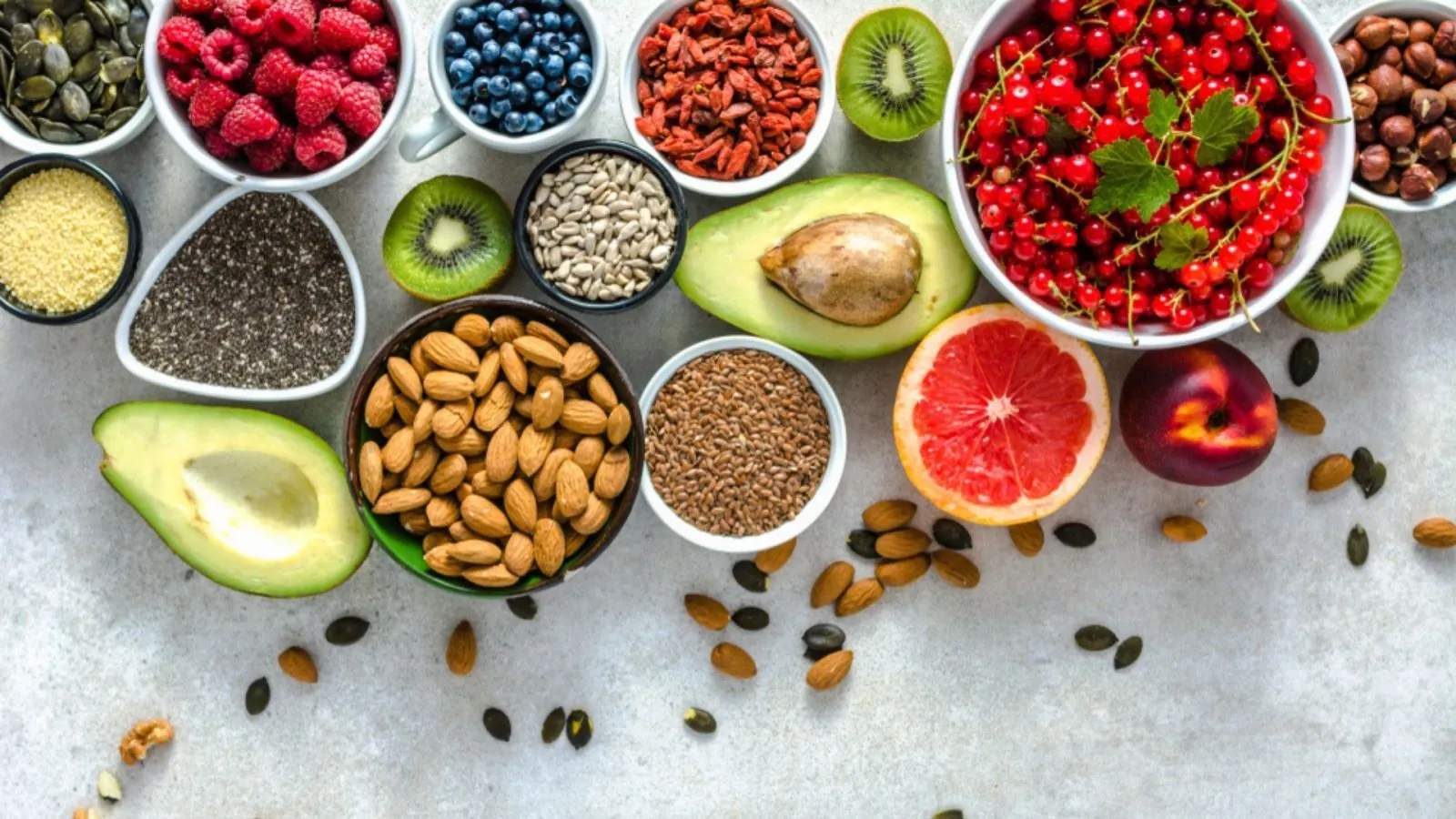
The science of metabolism has evolved significantly over the past few years. In 2026, researchers are increasingly focused on metabolic health as a holistic measure rather than just weight or BMI. Metabolic health refers to having ideal levels of blood sugar, triglycerides, HDL cholesterol, blood pressure, and waist circumference without medication. Shockingly, only about 12% of American adults meet all five criteria for optimal metabolic health, which means the vast majority of us have room for improvement.
Recent breakthrough research has revealed promising new pathways for treating obesity and metabolic dysfunction. A June 2026 study from the St. Vincent's Institute in Australia identified a protein called SIK3 in brain cells that controls not only how much we eat, but also how our bodies expend energy. When researchers reduced SIK3 activity in mice, the animals ate less, burned more energy, and maintained muscle mass even on high-fat diets. While human trials are still ahead, this discovery underscores an important principle: effective metabolic improvement targets both sides of the energy equation, intake and expenditure, not just one or the other.
Another major trend in 2026 is the growing recognition that inflammation plays a central role in metabolic dysfunction. Clinical trials are now exploring combination therapies that address inflammation alongside appetite regulation, suggesting that sustainable weight management requires treating the root biological drivers, not just symptoms. What this means for you is that lifestyle choices that reduce inflammation, such as eating whole foods, managing stress, and getting adequate sleep, are not just good ideas. They are foundational to metabolic repair.
Nutrition Strategies That Actually Work
Let us address the elephant in the room: no single food will magically melt away fat. But the right nutritional approach can absolutely shift your metabolic rate, improve insulin sensitivity, and make weight loss feel less like a battle and more like a natural consequence of healthy living. Here is what the evidence supports.
Prioritize Protein at Every Meal
Protein is the metabolic MVP, and the research is remarkably consistent on this point. When you eat protein, your body expends significantly more energy digesting it compared to carbohydrates and fats. This is called the thermic effect of food, and protein generates a TEF of 15-30%, while carbs sit at 5-10% and fats at just 0-3%. Beyond the calorie burn, protein helps preserve lean muscle mass during weight loss, which is critical because muscle tissue is metabolically active and burns calories around the clock, even when you are sleeping.
Aim for a protein source at every meal and snack. Think eggs, Greek yogurt, salmon, chicken, legumes, tofu, and tempeh. Studies suggest that distributing protein evenly throughout the day, rather than loading up at dinner, supports better muscle protein synthesis and metabolic stability. For most adults, targeting roughly 1.2 to 1.6 grams of protein per kilogram of body weight daily supports fat loss while preserving muscle.
Embrace the Mediterranean Pattern
If there is one dietary pattern that consistently wins in metabolic research, it is the Mediterranean diet. Rich in olive oil, nuts, fish, vegetables, whole grains, and legumes, this approach has been shown to reduce metabolic syndrome prevalence by approximately 52% in as little as six months. The magic lies in its combination of monounsaturated fats, polyphenols, and fiber, which work together to improve insulin signaling, reduce oxidative stress, and support healthy gut bacteria.
Extra-virgin olive oil deserves special mention. A study published in Frontiers in Nutrition found that regular consumers had significantly lower body mass index and waist circumference compared to sporadic users. Another trial in the European Journal of Nutrition showed that overweight women who included olive oil with breakfast lost approximately 80% more fat than a control group. The lesson here is not to fear healthy fats. Your hormones, including those that regulate metabolism, depend on them.
Do Not Fear Carbs, But Choose Wisely
Carbohydrates have been demonized for years, but the truth is more nuanced. Your thyroid needs carbohydrates to produce hormones that regulate metabolism. The problem is not carbs; it is the type and quantity. Refined carbohydrates and added sugars spike insulin, promote fat storage, and can lead to insulin resistance over time. Whole grains like brown rice, quinoa, and oats, on the other hand, provide sustained energy, fiber that feeds beneficial gut bacteria, and nutrients that support metabolic function.
💡 Pro Tip: The Protein-First Breakfast
Starting your day with at least 25-30 grams of protein, such as eggs, Greek yogurt, or a protein smoothie, helps stabilize blood sugar, reduces cravings later in the day, and kick-starts your metabolic rate after the overnight fast.
Stay Hydrated Strategically
Water is not just a passive beverage. It is an active metabolic participant. Even mild dehydration can slow your body's calorie-burning efficiency. Research suggests that drinking adequate water can boost metabolism by 10-30%, particularly when consumed before meals. Cold water may offer a slight additional advantage because your body uses energy to heat it to core temperature, though the effect is modest. The bigger win is replacing sugary drinks with water, which eliminates empty calories and reduces insulin spikes.
Consider Metabolism-Friendly Foods
While no food is a magic bullet, certain options have modest metabolic benefits worth incorporating. Green tea and oolong tea contain catechins and caffeine that may increase calorie burn, especially when combined with exercise. Coffee, consumed in moderation, has been linked to increased metabolic rate and fat oxidation. Chili peppers contain capsaicin, which can temporarily raise body temperature and calorie expenditure. Ginger and blueberries offer anti-inflammatory compounds that support metabolic health indirectly. These foods work best as part of a balanced diet, not as standalone solutions.
Exercise: The Metabolic Game-Changer
If nutrition sets the metabolic stage, exercise is the spotlight. Physical activity is one of the few ways you can directly and immediately increase your daily calorie burn while also building the metabolic machinery that works for you long-term. But not all exercise is created equal when it comes to metabolism.
Strength Training Is Non-Negotiable
Muscle is metabolically expensive tissue. It burns more calories at rest than fat does, which means the more lean muscle you carry, the higher your basal metabolic rate. This is why strength training is arguably the most important exercise modality for metabolic health. Lifting weights, using resistance bands, or doing bodyweight exercises like squats, push-ups, and lunges signals your body to build and maintain muscle.
Research consistently shows that resistance training not only boosts metabolism during the workout but also creates an "afterburn" effect, where your body continues burning extra calories for hours afterward as it repairs muscle tissue. For beginners, two to three full-body strength sessions per week is an excellent starting point. Focus on compound movements that work multiple muscle groups simultaneously for maximum metabolic impact.
High-Intensity Interval Training (HIIT)
HIIT involves alternating short bursts of intense effort with periods of recovery. A growing body of evidence suggests that HIIT is particularly effective for improving metabolic health because it enhances insulin sensitivity, increases fat oxidation, and elevates calorie burn for up to 24 hours after the session ends. You do not need a gym. A simple protocol might involve 30 seconds of sprinting followed by 90 seconds of walking, repeated for 15-20 minutes. Even better, HIIT is time-efficient, making it ideal for busy schedules.
NEAT: The Unsung Hero
Non-exercise activity thermogenesis, or NEAT, refers to all the movement you do that is not formal exercise. Walking to the mailbox, standing while you work, fidgeting, gardening, and taking the stairs. Research shows that people with higher NEAT levels can burn hundreds of additional calories per day without ever setting foot in a gym. If you have a desk job, set a timer to stand and stretch every 30 minutes. Park farther away. Take walking meetings. These small movements accumulate into significant metabolic advantages over time.
Sleep, Stress, and Hidden Metabolic Saboteurs
You can eat perfectly and exercise daily, but if you are sleeping poorly and living under chronic stress, your metabolism will suffer. These factors are often overlooked, yet they wield enormous influence over hormones, appetite, and fat storage.
The Sleep-Metabolism Connection
Sleep is when your body performs critical metabolic maintenance. Just one night of poor sleep can increase ghrelin, the hunger hormone, and decrease leptin, the satiety hormone, making you feel hungrier while less satisfied by food. Chronic sleep deprivation is associated with higher cortisol levels, increased visceral fat accumulation, impaired glucose tolerance, and reduced insulin sensitivity.
The research is clear: adults who sleep fewer than seven hours per night are significantly more likely to develop obesity and metabolic syndrome. Aim for seven to nine hours of quality sleep in a cool, dark room. Establish a consistent bedtime, limit screen exposure an hour before sleep, and avoid heavy meals and caffeine in the evening. Treat sleep as a non-negotiable pillar of metabolic health, because it absolutely is.
Stress and Cortisol
Chronic stress triggers cortisol release, which promotes fat storage, particularly around the midsection, and increases cravings for high-calorie, sugary foods. Over time, elevated cortisol contributes to insulin resistance and metabolic dysfunction. Managing stress is not a luxury; it is a metabolic necessity.
Effective stress management looks different for everyone. For some, it is mindfulness meditation or deep breathing exercises. For others, it is walking in nature, journaling, or spending time with loved ones. What matters is finding sustainable practices that lower your physiological stress response. Even ten minutes of daily mindfulness has been shown to reduce cortisol and improve metabolic markers in clinical studies.
🧠 Did You Know?
Research published in the BMJ in 2026 emphasizes that adding exercise to weight loss medications significantly improves metabolic durability. Natural lifestyle changes remain the foundation upon which all other interventions build.
Daily Habits for a Faster Metabolism
Beyond the big three of nutrition, exercise, and sleep, several smaller habits can nudge your metabolism in the right direction. These are not dramatic changes, but their cumulative effect is powerful.
Eat Regularly, But Mindfully
Skipping meals, especially breakfast, can backfire metabolically. When you go too long without eating, your body may shift into energy-conservation mode, slowing calorie burn. Instead, aim for balanced meals every three to four hours. However, avoid grazing constantly, as this keeps insulin elevated. The sweet spot is structured meals that honor your body's hunger and fullness cues, a practice known as intuitive eating. Research supports that eating based on internal cues helps maintain steady ghrelin levels and prevents the metabolic disruption caused by chronic dieting.
Get Morning Sunlight
Exposure to natural light within an hour of waking helps regulate your circadian rhythm, which in turn influences metabolic hormones. Morning sunlight improves cortisol timing, making you alert during the day and sleepy at night, and supports healthy melatonin production. A brief 10-15 minute walk outside after waking is a simple, free metabolic boost.
Support Your Gut Microbiome
Your gut bacteria play a surprisingly large role in metabolic health. A diverse microbiome is associated with better insulin sensitivity, lower inflammation, and healthier body weight. Feed your gut with fiber-rich foods like vegetables, fruits, legumes, and whole grains. Fermented foods like yogurt, kefir, sauerkraut, and kimchi introduce beneficial probiotics. Prebiotic foods like garlic, onions, and asparagus feed the good bacteria you already have. Avoid excessive processed foods and artificial sweeteners, which can disrupt microbial balance.
Monitor Micronutrients
Several vitamins and minerals are essential for metabolic function. Iron and selenium support thyroid hormone production. B vitamins help your body convert food into usable energy. Magnesium is involved in over 300 enzymatic reactions, many related to glucose metabolism. Vitamin D deficiency is remarkably common and linked to insulin resistance. Rather than supplementing blindly, aim to get these nutrients from whole foods and consider testing if you suspect a deficiency.

Common Metabolism Myths Debunked
Misinformation about metabolism is everywhere, and believing these myths can lead to frustration and unhealthy behaviors. Let us set the record straight.
Myth: Eating small, frequent meals stokes your metabolic fire.
Reality: Meal frequency has minimal impact on metabolism for most people. What matters more is total daily intake, protein distribution, and food quality. Some people thrive on three meals; others prefer two larger meals with a snack. Find what works for your hunger patterns and lifestyle.
Myth: You cannot boost metabolism after 40.
Reality: While metabolism naturally declines with age, largely due to muscle loss, this decline is not inevitable. Strength training and adequate protein intake can preserve and even build muscle at any age, effectively maintaining a higher metabolic rate well into your later decades.
Myth: Detox teas and fat-burning supplements work.
Reality: Most over-the-counter metabolism supplements have little to no evidence supporting their efficacy. Some contain dangerous ingredients or excessive caffeine. The few compounds with modest evidence, like green tea catechins, provide only small benefits and cannot replace foundational lifestyle habits.
Myth: Cardio is the best way to lose weight.
Reality: While cardio burns calories during the activity, strength training builds the metabolic machinery that burns calories 24/7. The best approach combines both, along with daily movement, for comprehensive metabolic health.
Your 30-Day Metabolic Reset Plan
Knowledge without action is just trivia. Here is a practical, step-by-step plan to implement everything we have covered. Do not try to do it all at once. Pick two or three habits to start, then layer in more as the first ones become automatic.
Week 1: Foundation
- Drink a full glass of water immediately upon waking.
- Include a protein source at every meal, aiming for 25-30g at breakfast.
- Take a 10-minute walk after lunch and dinner to improve blood sugar control.
- Set a consistent bedtime that allows for 7-8 hours of sleep.
Week 2: Movement
- Add two full-body strength training sessions, even if just 20 minutes at home.
- Replace one cardio session with a HIIT workout.
- Set an hourly reminder to stand and stretch if you sit for work.
- Get 10 minutes of morning sunlight within an hour of waking.
Week 3: Nutrition Optimization
- Swap refined grains for whole grains at most meals.
- Add one serving of leafy greens and one fermented food daily.
- Cook with extra-virgin olive oil instead of processed vegetable oils.
- Practice eating slowly and stopping at 80% fullness.
Week 4: Recovery and Stress
- Implement a 10-minute daily stress-reduction practice, such as meditation or deep breathing.
- Create a screen-free wind-down routine 30 minutes before bed.
- Meal prep one batch of healthy protein and vegetables for the week ahead.
- Track your energy, sleep quality, and hunger levels to notice patterns.
🎯 Key Takeaways
- Metabolism is dynamic and influenced by muscle mass, food choices, sleep, stress, and daily movement.
- Protein has the highest thermic effect of food and preserves muscle during weight loss.
- Strength training is the most effective exercise for long-term metabolic health.
- Sleep and stress management are non-negotiable for hormonal balance and fat loss.
- Small, consistent habits outperform extreme diets and miracle supplements every time.
- The Mediterranean dietary pattern offers the strongest evidence for improving metabolic markers.
- Hydration, gut health, and micronutrient sufficiency support the metabolic engine at a cellular level.
Boosting your metabolism and losing weight naturally is not about finding a secret hack. It is about aligning your daily habits with your biology. The body you want is built one meal, one workout, one night of good sleep, and one deep breath at a time. There are no shortcuts, but there is a clear path forward. And the best part? Every positive choice you make reverberates through your entire metabolic system, creating a cascade of health benefits that extend far beyond the scale.
Start where you are. Use what you have. Do what you can. Your metabolism is not broken; it is waiting for you to give it the right inputs. In 2026, we know more than ever about how to do exactly that. The science is clear. The strategies are simple. The only question left is whether you will begin today.
📚 References and Sources
- Harvard Health Publishing. "The Truth About Metabolism." July 2024. https://www.health.harvard.edu/healthy-aging-and-longevity/the-truth-about-metabolism
- Healthline. "Speed Up Your Metabolism: 8 Tips, FAQ, Video, and More." https://www.healthline.com/nutrition/10-ways-to-boost-metabolism
- PMC. "Dietary Modulation of Metabolic Health: From Bioactive Compounds to Personalized Nutrition." https://pmc.ncbi.nlm.nih.gov/articles/PMC12471629/
- AARP. "11 Natural Foods to Help Boost Your Metabolism." March 2024. https://www.aarp.org/health/healthy-living/natural-metabolism-boosters/
- St. Vincent's Institute. "New Discovery Reveals Promising Pathway for Treating Obesity and Diabetes." June 2026. https://www.svi.edu.au/news-events/new-discovery-reveals-promising-pathway-for-treating-obesity-and-diabetes/
- BMJ. "Add Exercise to Weight Loss Drugs for Optimal Metabolic Health." 2026. https://www.bmj.com/content/392/bmj.s571
- ScienceDirect. "Evidence-based Ways to Promote Metabolic Health." June 2019. https://www.sciencedirect.com/science/article/abs/pii/S1555415518302344
- BSW Health. "How to Increase Metabolism Naturally: What Really Works." April 2026. https://www.bswhealth.com/blog/how-to-increase-metabolism-naturally


0 Comments