
Fiber Is the New Superfood: 15 High Fiber Foods That Help You Lose Weight and Improve Gut Health
Science backed nutrition guide to eating more fiber, shedding pounds naturally, and building a thriving gut microbiome one delicious bite at a time.
This article is intended for general educational purposes. Nutrition information is based on publicly available research and reputable health sources cited in the article.
Let's be honest: fiber doesn't have the glamour of keto, the buzz of intermittent fasting, or the Instagram appeal of acai bowls. But here's the truth that nutrition scientists have known for decades fiber is quite possibly the most underrated nutrient in your diet. And now, research is making it impossible to ignore. If you want to lose weight without counting every calorie, improve your digestion, and even lower your risk of chronic disease, fiber is your answer.
The statistics are staggering. According to the Dietary Guidelines for Americans, fiber is officially classified as a "nutrient of public health concern" because most of us simply aren't getting enough. The average adult consumes just 15 grams of fiber daily — far below the recommended 25 to 38 grams. Meanwhile, populations with the highest fiber intake consistently show lower rates of obesity, heart disease, type 2 diabetes, and certain cancers.
In this comprehensive guide, I'll walk you through exactly what fiber does in your body, how it supports weight loss and gut health, and most importantly the 15 best high-fiber foods to add to your plate today. Every food on this list is backed by peer reviewed research and vetted by clinical nutritionists. Let's dig in.
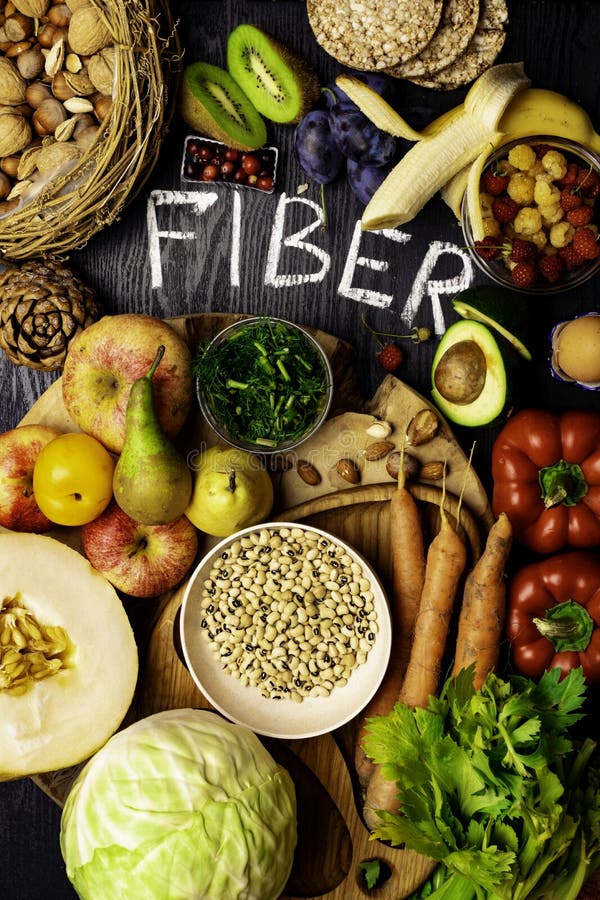
A colorful array of fiber rich whole foods including fruits, vegetables, legumes, and whole grains.
What Is Fiber, and Why Does Your Body Need It?
Dietary fiber is the indigestible part of plant foods the roughage that your body can't break down. Unlike fats, proteins, and carbohydrates, fiber passes through your stomach, small intestine, and colon relatively intact. But don't mistake "indigestible" for "useless." Fiber is doing critical work every step of the way.
There are two main types, and both matter. Soluble fiber dissolves in water and forms a gel like substance in your gut. This gel slows digestion, which helps regulate blood sugar and lowers LDL cholesterol. You'll find soluble fiber in oats, beans, apples, and chia seeds. Insoluble fiber doesn't dissolve it adds bulk to your stool and keeps things moving through your digestive tract. Think wheat bran, nuts, and the skins of fruits and vegetables.
Here's where it gets fascinating: when gut bacteria ferment certain fibers, they produce compounds called short-chain fatty acids (SCFAs). These SCFAs particularly butyrate, propionate, and acetate are like premium fuel for your colon cells. They reduce inflammation, strengthen your gut barrier, and even communicate with your brain through the gut-brain axis. In other words, fiber doesn't just keep you regular; it literally feeds the ecosystem living inside you.
How Fiber Helps You Lose Weight (Without the Misery)
If you've ever tried to lose weight by white knuckling through hunger, fiber is about to become your best friend. Here's the mechanism: soluble fiber absorbs water and expands in your stomach, creating physical fullness. It also slows gastric emptying the rate at which food leaves your stomach which means you feel satisfied for longer after meals.
But fiber's weight loss benefits go beyond just feeling full. High-fiber foods tend to be less energy dense, meaning they provide fewer calories per gram. A cup of raspberries delivers 8 grams of fiber for just 64 calories. Compare that to a fiber depleted snack like crackers, and the advantage becomes obvious. Fiber also reduces the insulin spikes that can trigger fat storage and cravings. When your blood sugar stays steady, so does your willpower.
Research consistently shows that people who increase their fiber intake lose weight even when they make no other dietary changes. One landmark study found that simply aiming for 30 grams of fiber daily led to significant weight loss comparable to more complex diets. The reason? Fiber rich eating naturally crowds out processed foods without requiring obsessive tracking.
How Fiber Transforms Your Gut Health
Your gut microbiome contains roughly 39 trillion bacteria a bustling metropolis of microorganisms that influence everything from your immune function to your mood. Like any city, this microbiome needs infrastructure and food to thrive. Fiber is that food.
Different fibers feed different bacterial species. When you eat a diverse range of fiber sources, you cultivate a diverse microbiome and microbial diversity is strongly associated with better health outcomes. A fiber-poor diet, by contrast, starves beneficial bacteria and allows less friendly species to dominate. This imbalance, called dysbiosis, has been linked to inflammation, weight gain, depression, and autoimmune conditions.
A diverse gut microbiome thrives on varied fiber sources from whole plant foods.
The benefits extend to specific digestive conditions too. For people with inflammatory bowel disease (IBD), carefully chosen fiber sources can reduce inflammation and improve quality of life. For those with constipation, insoluble fiber adds the bulk needed for regular, comfortable bowel movements. And for anyone dealing with bloating or irregularity,the right fiber strategy can be transformative.
🎯 Daily Fiber Targets
According to the Mayo Clinic and FDA guidelines, adults should aim for 14 grams of fiber per 1,000 calories consumed. For most women, that's about 25 grams daily; for men, around 38 grams. After age 50, needs drop slightly to 21 grams (women) and 30 grams (men).
The 15 Best High Fiber Foods for Weight Loss and Gut Health
The following foods aren't just high in fiber they're nutrient-dense, versatile, and backed by solid clinical evidence. I've organized them by category and included the exact fiber content per standard serving so you can plan your meals with confidence. Data is sourced from the USDA National Nutrient Database and verified by the Mayo Clinic and Harvard T.H. Chan School of Public Health.
Legumes: The Fiber Champions
Legumes are quite simply the most fiber-dense foods on the planet. They're also affordable, shelf-stable, and incredibly versatile. If you're serious about increasing your fiber, start here.
Split Peas
Split peas top the fiber charts with an incredible 16 grams per cup. Made by drying and splitting regular green peas, they're more concentrated in fiber than their fresh counterparts. Use them in hearty soups, Indian dal, or creamy dips.They cook faster than whole beans and don't require soaking.
Lentils
These tiny nutrition powerhouses cook in just 20 minutes and pack 15.5 grams of fiber per cup. Red, green, brown, or black every variety delivers. Lentils are also one of the best plant-based protein sources, making them ideal for weight loss: high fiber + high protein = maximum satiety. Add them to grain bowls, salads, or Mediterranean-style soups.
Black Beans
Black beans don't just deliver 15 grams of fiber per cup they're also loaded with anthocyanins, the same antioxidants that give blueberries their deep color. These compounds support gut health by feeding beneficial bacteria and reducing oxidative stress. Use them in tacos, burrito bowls, or mash them into veggie burgers.
Chickpeas (Garbanzo Beans)
Chickpeas are the ultimate multitaskers. Roast them for a crunchy snack, blend them into hummus, or toss them into salads and curries. Their fiber content supports steady blood sugar, while their resistant starch content feeds beneficial gut bacteria in the colon.
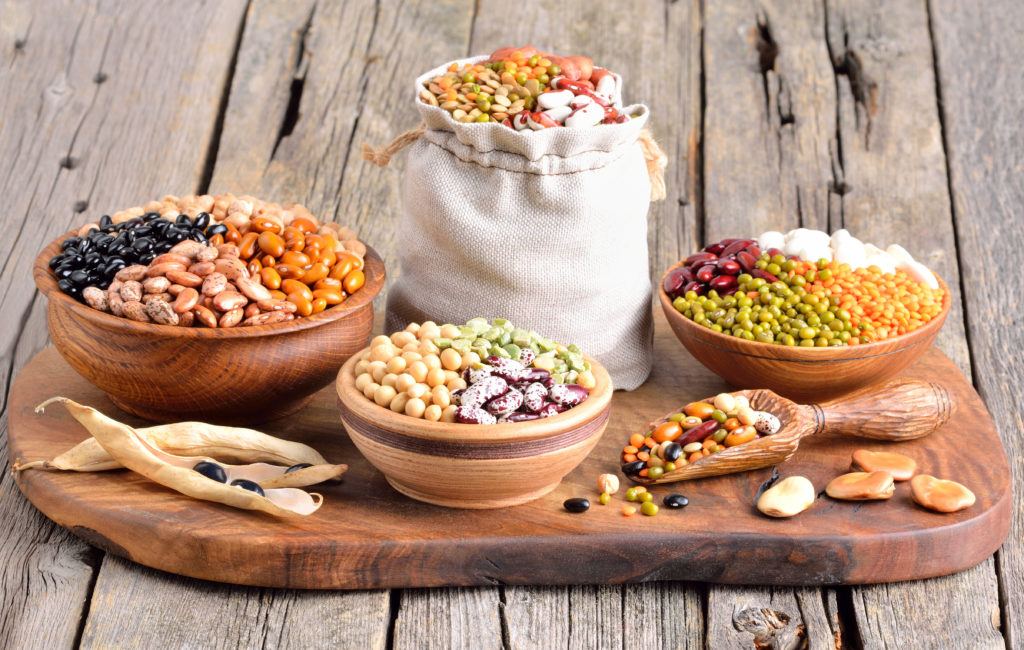
Legumes and pulses are the most concentrated sources of dietary fiber available.
🍓 Fruits: Sweet Fiber Delivery
Fruit sometimes gets a bad rap in weight loss circles because of its sugar content. But the fiber in whole fruit completely changes how your body processes that sugar. The fiber slows absorption, blunts insulin spikes, and feeds your gut bacteria. Eat the skin when possible that's where much of the insoluble fiber lives.
Raspberries
Raspberries are the fiber kings of the fruit world, packing 8 grams into just 64 calories. Their tiny seeds contribute significantly to that fiber count, and they're rich in ellagitannins compounds that gut bacteria convert into anti-inflammatory metabolites. Add them to oatmeal, yogurt, or eat them by the handful.
Pears
Here's the key with pears: eat the skin. The flesh contains soluble fiber, but the skin is where the insoluble fiber lives. A medium pear with skin delivers 5.5 grams of fiber and plenty of pectin a soluble fiber linked to lower cholesterol levels. Pair with almond butter for a balanced snack.
Apples
There's actual science behind "an apple a day." Apples are rich in pectin, a soluble fiber that forms a gel in your gut and slows digestion. This pectin also acts as a prebiotic, feeding Bifidobacteria and other beneficial strains. The quercetin in apple skin adds anti inflammatory benefits.
Avocado
Avocado is unique it's a fruit that behaves like a healthy fat. One medium avocado contains about 10 grams of fiber, split roughly evenly between soluble and insoluble types.The monounsaturated fats in avocado also enhance the absorption of fat soluble vitamins from your meal.Spread on toast, blend into smoothies, or dice into salads.
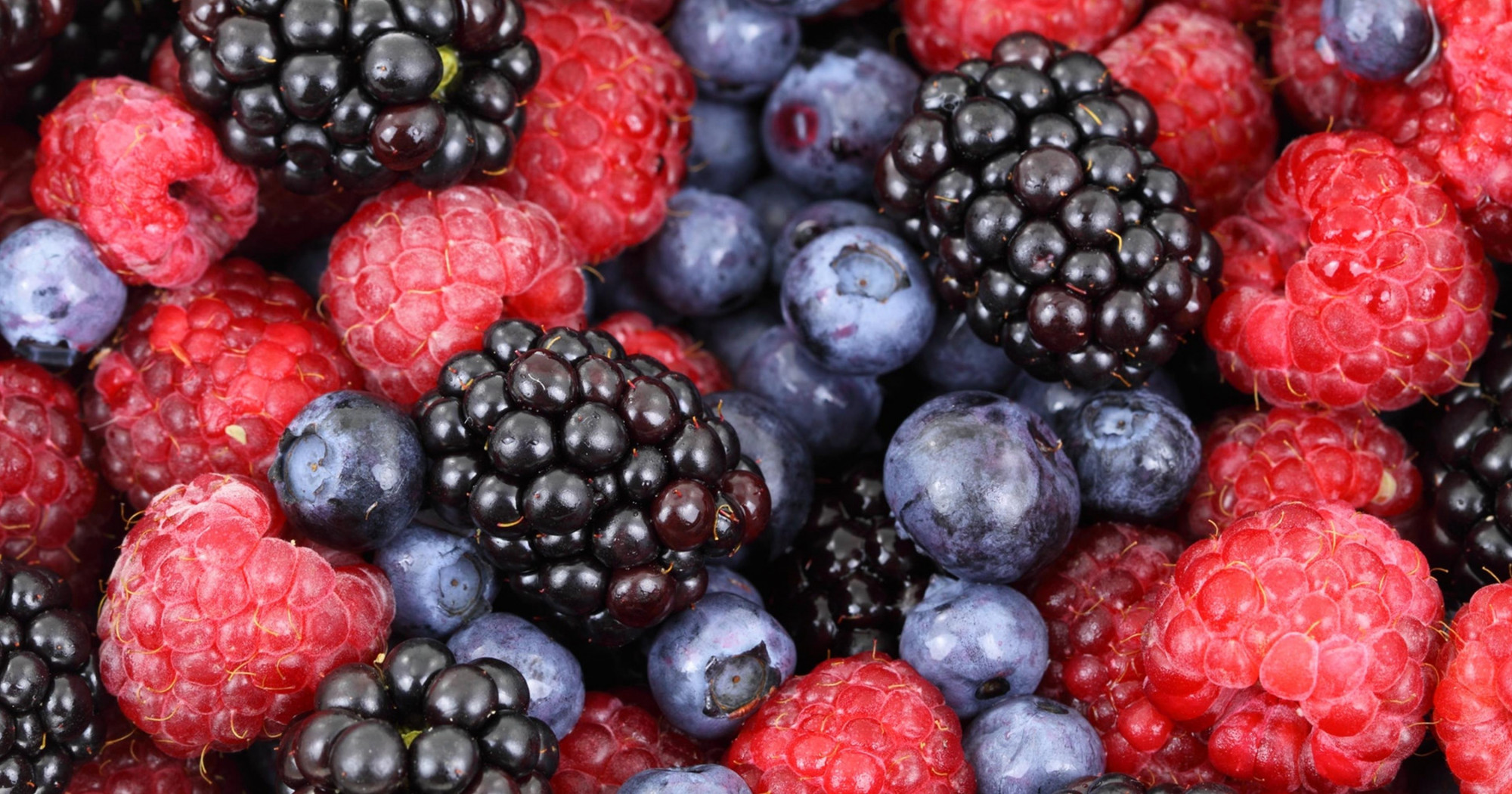
Berries offer exceptional fiber-to-calorie ratios and powerful antioxidant benefits.
🌾 Whole Grains: The Fiber Foundation
Whole grains contain the entire grain kernel bran, germ, and endosperm.The bran is where the fiber lives, which is why refined grains (white bread, white rice) fall flat nutritionally.Swapping refined grains for whole grains is one of the easiest ways to boost your fiber intake without dramatically changing your diet.
Barley
Barley is often overlooked, but it's a fiber superstar thanks to its high beta glucan content the same soluble fiber found in oats. Beta-glucan is particularly effective at lowering LDL cholesterol and stabilizing blood sugar. Choose hulled or dehulled barley (whole grain) rather than pearl barley, which has been refined.
Oats (Steel-Cut or Rolled)
Oats are the poster child for heart-healthy fiber, and for good reason. Their beta-glucan content is clinically proven to reduce cholesterol and improve glycemic control.Steel cut oats are the least processed and have the lowest glycemic index, but rolled oats are excellent too. Skip instant oatmeal with added sugar it undermines the benefits.
Quinoa
Quinoa is technically a seed, but it's eaten as a grain and offers complete protein rare in the plant world. With 5 grams of fiber per cup plus all nine essential amino acids, it's a weight loss powerhouse.It's also naturally gluten-free and cooks in just 15 minutes.Use it as a base for grain bowls or as a rice substitute.
🥜 Nuts & Seeds: Concentrated Fiber Power
Nuts and seeds are calorically dense, so portion control matters for weight loss. But their fiber content is remarkably concentrated, and the healthy fats they contain actually enhance satiety. A small handful goes a long way.
Chia Seeds
Chia seeds are nothing short of miraculous. Two tablespoons deliver 10 grams of fiber, plus a generous dose of omega-3 fatty acids. When mixed with liquid, they form a gel that keeps you full for hours. Make chia pudding, add them to smoothies, or sprinkle on oatmeal. Always drink plenty of water when consuming chia.
Ground Flaxseed
Flaxseed is one of the richest plant sources of lignans — antioxidant compounds with potential anti-cancer properties. The fiber content is impressive too, but here's the critical detail: always buy ground flaxseed. Whole flaxseeds pass through your digestive tract undigested, meaning you miss the fiber and nutrients entirely. Add ground flax to oatmeal, baked goods, or smoothies.
Almonds
A handful of almonds (about 23 nuts) provides 3.5 grams of fiber along with 6 grams of protein and healthy monounsaturated fats. Research shows that almond consumption supports weight management not by reducing calories, but by increasing satiety and improving diet quality overall. Choose raw or dry-roasted almonds without added oils or salt.
🥬 Vegetables: The Low-Calorie Fiber Workhorses
Vegetables provide the best fiber to calorie ratio of any food category. You can eat generous portions without worrying about your waistline, making them essential for weight loss.
Artichokes
Artichokes are the dark horse of high-fiber vegetables, delivering nearly 10 grams per medium head. They're also rich in inulin, a prebiotic fiber that specifically feeds beneficial Bifidobacteria. If fresh artichokes feel intimidating, canned or frozen artichoke hearts are convenient alternatives with similar fiber benefits.
Green Peas
Green peas deserve an honorable mention with 9 grams of fiber per cup. They're also surprisingly high in protein (8 grams per cup) and rich in vitamins A, C, and K. Add them to pasta dishes, risottos, or blend into a vibrant green pea soup.
Quick Reference: Fiber Content at a Glance
Use this table for meal planning. All values are based on standard cooked or prepared servings from the USDA National Nutrient Database.
| Food | Serving Size | Fiber (grams) | Key Benefit |
|---|---|---|---|
| Split Peas | 1 cup cooked | 16.0g | Highest fiber density |
| Lentils | 1 cup cooked | 15.5g | Protein + fiber combo |
| Black Beans | 1 cup cooked | 15.0g | Antioxidant anthocyanins |
| Chickpeas | 1 cup cooked | 12.5g | Versatile resistant starch |
| Chia Seeds | 2 tablespoons | 10.0g | Omega-3 + gel-forming |
| Avocado | 1 medium | 10.0g | Healthy fats + both fiber types |
| Artichoke | 1 medium cooked | 9.6g | Prebiotic inulin |
| Green Peas | 1 cup cooked | 9.0g | Protein-rich vegetable |
| Raspberries | 1 cup | 8.0g | Low sugar, high antioxidants |
| Pear | 1 medium with skin | 5.5g | Pectin for cholesterol |
| Barley | 1 cup cooked | 6.0g | Beta-glucan for heart health |
| Oats | 1 cup cooked | 5.5g | Steady energy release |
| Quinoa | 1 cup cooked | 5.0g | Complete plant protein |
| Apple | 1 medium with skin | 4.5g | Pectin prebiotic |
| Almonds | 1 ounce (23 nuts) | 3.5g | Satiety + healthy fats |
How to Increase Your Fiber Intake Without Digestive Drama
Here's the catch: if you go from 15 grams of fiber to 35 grams overnight, your gut will protest.Bloating, gas, and cramping are common when fiber intake increases too quickly.The solution is gradual progression.
Start by adding 2 to 5 grams of fiber per day about one additional serving of fruit or a tablespoon of chia seeds. Give your gut microbiome time to adapt. After three to four weeks of regular high-fiber eating, research shows that perceived flatulence actually returns to baseline as your bacterial populations adjust.
Here are five practical strategies that actually work:
- Swap, don't eliminate: Replace white bread with whole grain, white rice with quinoa or barley, and regular pasta with whole-wheat or legume-based versions. These swaps add fiber without requiring you to learn new recipes.
- Seed your breakfast: Add a tablespoon of ground flaxseed or chia seeds to your morning oatmeal, yogurt, or smoothie. That's an instant 3 to 5 grams before you even leave the house.
- Beanify one meal: Add beans or lentils to one meal per day. Toss chickpeas into salad, add black beans to scrambled eggs, or blend white beans into soups for creaminess without dairy.
- Eat the rainbow: Different colored plants contain different fiber types. Purple cabbage, orange sweet potatoes, green broccoli, red raspberries variety ensures you're feeding diverse bacterial species.
- Snack smarter: Replace chips with air popped popcorn (3.5g fiber per 3 cups), crackers with raw veggies and hummus, or candy with a pear and almond butter.
A Sample High-Fiber Day (35+ Grams)
Theory is helpful, but practice is what changes your health. Here's a realistic day of eating that delivers over 35 grams of fiber while keeping calories in check for weight loss:
🍽️ Sample Menu
Breakfast: Overnight oats (1 cup cooked, 5.5g) with raspberries (1 cup, 8g), chia seeds (1 tbsp, 5g), and almonds (10 nuts, 1.5g) = 20g fiber
Lunch: Lentil soup (1 cup, 15.5g) with a side salad of mixed greens, pear slices (1 medium, 5.5g), and olive oil dressing = 21g fiber
Snack: Apple (1 medium, 4.5g) with 1 tbsp almond butter = 4.5g fiber
Dinner: Quinoa bowl (1 cup, 5g) with black beans (1/2 cup, 7.5g), roasted broccoli (1 cup, 5g), and avocado (1/3 medium, 3.5g) = 21g fiber
Daily Total: ~66.5g fiber (well above the target, with room to adjust portions)
The Bottom Line
Fiber isn't trendy. It doesn't have a celebrity spokesperson or a viral hashtag.But it's quite possibly the single most impactful dietary change you can make for weight loss,gut health, and long-term disease prevention. The research is overwhelming, the foods are affordable and accessible,and the benefits begin within days of increasing your intake.
You don't need to overhaul your entire diet.Start with one or two foods from this list. Add a tablespoon of chia seeds to your breakfast. Swap white rice for quinoa at dinner.Eat the skin on your apple. These small,consistent changes compound into transformative health outcomes over time.
Your gut microbiome all 39 trillion of those beneficial bacteria is waiting for you to feed it.Choose fiber.Choose whole foods.Choose health,one bite at a time.
References & Sources
- Mayo Clinic. "Chart of high-fiber foods." mayoclinic.org
- Harvard T.H. Chan School of Public Health. "Foods high in fiber: Boost your health with fiber rich foods." health.harvard.edu
- Cleveland Clinic. "20+ High-Fiber Foods To Keep Your Gut Healthy." health.clevelandclinic.org
- NIH/NCBI. "The Role of Dietary Fiber in Health Promotion and Disease Prevention." ncbi.nlm.nih.gov
- PMC. "Fibre intake for optimal health: how can healthcare professionals support people to reach fibre recommendations?" pmc.ncbi.nlm.nih.gov
- Healthline. "What Are High Fiber Foods? Chart, Fiber Needs, and More." healthline.com
- MDPI Biomedicines. "Health Benefits of Dietary Fiber for the Management of Inflammatory Bowel Disease." mdpi.com
- U.S. Department of Agriculture. National Nutrient Database for Standard Reference.
- 2020-2025 Dietary Guidelines for Americans. U.S. Department of Health and Human Services.


0 Comments