
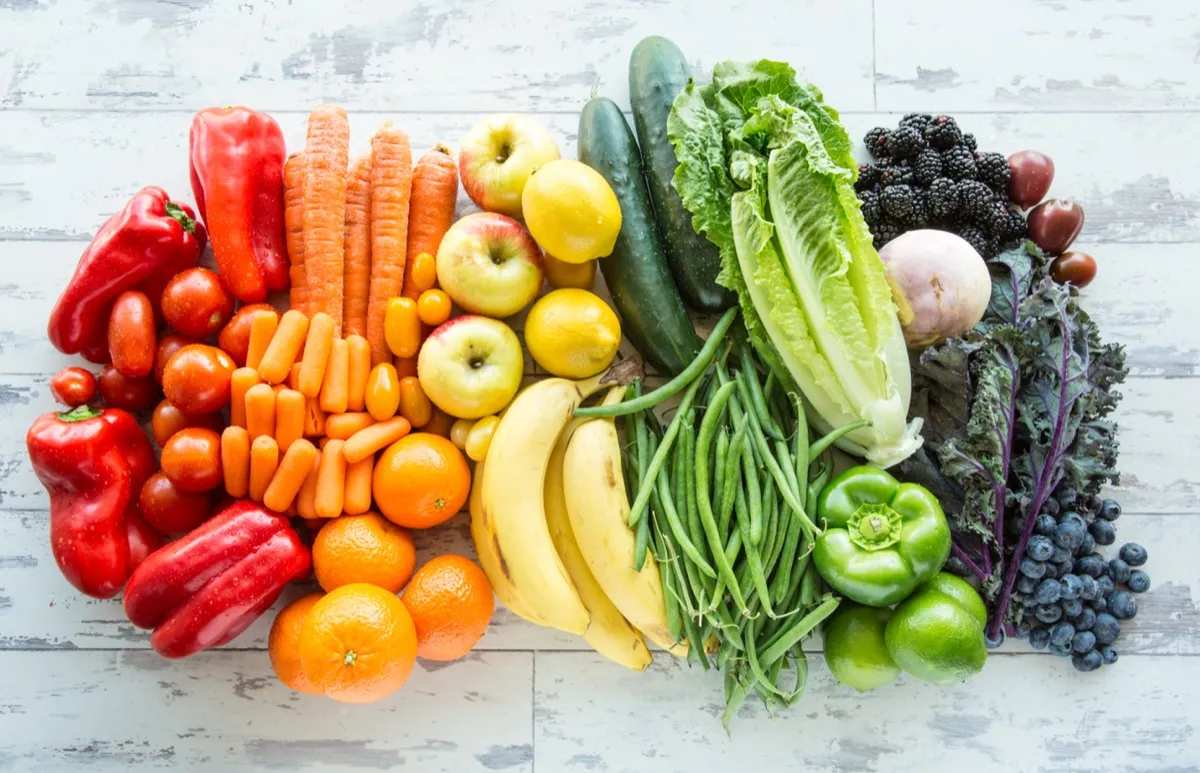
A rainbow of functional foods each color represents unique bioactive compounds that support energy,digestion,and metabolic health.
If you have ever felt that afternoon energy crash, dealt with persistent bloating, or struggled to shed those last few pounds despite eating "healthy," you are not alone. The truth is, not all healthy foods are created equal. Some foods go beyond basic nutrition they actively support your body's systems. These are called functional foods, and in 2026, they are no longer a niche concept reserved for health food stores.They are mainstream, science-backed, and more accessible than ever.
The functional food market is projected to grow significantly through 2026 and beyond, driven by consumers who want more from their meals. People are no longer satisfied with foods that simply fill them up. They want foods that work supporting steady energy, a resilient gut, and a metabolism that functions optimally. The good news? You do not need expensive supplements or complicated meal plans to get there. Whole, minimally processed foods already contain the compounds your body needs.
In this guide, we will explore 25 of the most powerful functional foods you can add to your plate this year. We have organized them by their primary benefit energy, gut health, and fat loss though many of these foods overlap and support multiple goals at once. Every food on this list is backed by credible research, widely available in grocery stores, and practical for everyday cooking.
📋 Table of Contents
What Are Functional Foods, Really?
The term "functional food" might sound like marketing jargon, but it has a real definition. A functional food is any food that provides health benefits beyond basic nutrition. While an apple gives you vitamins and fiber, a functional food perspective asks: What else does this apple do for my body? The answer might include supporting healthy gut bacteria, providing antioxidants that reduce inflammation, or offering polyphenols that help regulate blood sugar.
According to the Institute of Food Technologists, functional foods contain bioactive compounds — naturally occurring chemicals that interact with your body's biological processes. These include probiotics, prebiotics, omega-3 fatty acids, polyphenols, and specific fibers like beta-glucan. In 2026, the conversation has shifted from single nutrients to food systems. Researchers and nutritionists now emphasize how whole foods work synergistically, delivering benefits that isolated supplements often cannot replicate.
"The most successful dietary interventions combine protein, fats, carbohydrates, fiber, micronutrients, and water not just one nutrient. Digestive wellness serves as the foundation for systemic health." 2026 Nutrition Trends Report, Eat Well Be Well
This shift matters because it means you do not need to obsess over one macronutrient. The goal is balance, variety, and consistency. The 25 foods below reflect this holistic approach. They are not magic bullets, but when eaten regularly as part of a varied diet, they can meaningfully support how you feel, digest, and metabolize energy.
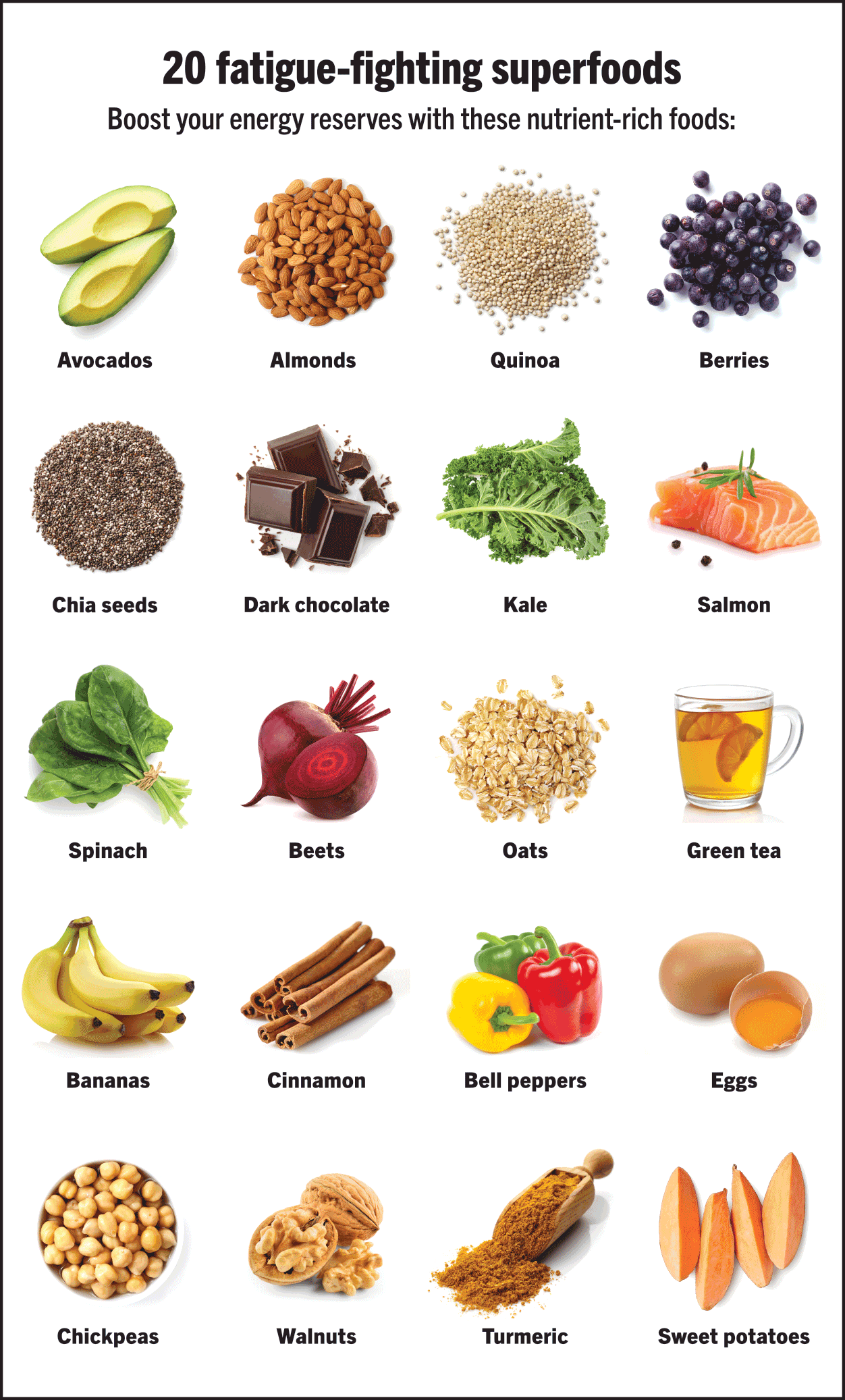
Many everyday foods double as functional powerhouses delivering energy, gut support, and metabolic benefits in every bite.
Functional Foods for Sustained Energy
Energy crashes are one of the most common complaints people have about their diet. The culprit is often blood sugar instability eating refined carbohydrates that spike glucose and then leave you drained an hour later. Functional foods for energy work differently. They provide steady, sustained fuel by combining complex carbohydrates, protein, healthy fats, and specific compounds that support cellular energy production.
1. Oats
Energy Gut Health Fat LossOats contain beta-glucan, a soluble fiber that slows digestion and helps maintain stable blood sugar levels. Unlike sugary cereals, a bowl of steel cut or rolled oats provides a slow-release energy source that can keep you full and focused for hours. Research published in nutrition journals has linked regular oat consumption to improved satiety and better metabolic markers.
2. Salmon
Energy Fat LossRich in omega-3 fatty acids and high-quality protein, salmon supports cellular energy production and helps reduce inflammation that can leave you feeling sluggish. The protein content also supports muscle maintenance, which is critical for a healthy metabolism. Wild-caught salmon is preferable when available, but farmed salmon still provides substantial benefits.
3. Sweet Potatoes
Energy Gut HealthThese vibrant root vegetables are packed with complex carbohydrates and fiber, providing sustained energy without the crash. They are also rich in beta-carotene, which supports immune function. Their natural sweetness satisfies cravings while their fiber content promotes digestive regularity.
4. Eggs
Energy Fat LossEggs are one of the most bioavailable protein sources available, meaning your body can use their nutrients efficiently. They contain choline, which supports brain function and energy metabolism, and B vitamins that help convert food into usable energy. Studies consistently show that eggs at breakfast improve satiety compared to carbohydrate-heavy alternatives.
5. Green Tea
Energy Fat LossGreen tea offers a unique combination of L-theanine and caffeine. The L-theanine promotes calm focus, while the caffeine provides a gentle energy lift without the jitters associated with coffee. The catechins in green tea, particularly EGCG, have been studied for their role in supporting metabolic health.
6. Beets
EnergyBeets are rich in dietary nitrates, which your body converts to nitric oxide a compound that helps improve blood flow and oxygen delivery to tissues. This can translate to better exercise performance and reduced feelings of fatigue. Roasted beets, beet juice, or grated raw beets in salads are all excellent options.
7. Quinoa
Energy Gut Health Fat LossUnlike most plant foods, quinoa is a complete protein, containing all nine essential amino acids. It is also gluten free and rich in magnesium, a mineral involved in over 300 biochemical reactions in the body, including energy production. Its low glycemic index means it releases energy gradually.
8. Matcha
Energy Fat LossDespite global supply challenges, matcha continues to expand in popularity in 2026. This powdered green tea delivers concentrated antioxidants and a smooth, sustained energy boost. The combination of caffeine and L-theanine creates an alert but calm state, making it ideal for productivity without the crash.
Functional Foods for Gut Health & Digestion
Your gut microbiome — the trillions of bacteria living in your digestive tract influences far more than digestion. Emerging research connects gut health to immunity, mood, skin health, and even weight management. In 2026, gut health has moved beyond basic probiotics. Consumers and researchers alike are focusing on microbiome diversity feeding a wide variety of beneficial bacteria rather than just one strain.
Dr. Christopher Damman, a gastroenterologist at the University of Washington, summarizes gut-friendly nutrition as the "Four F's": fibers, phenols, fermented foods, and healthy fats. Focusing on these categories encourages beneficial bacteria like Bifidobacterium and butyrate producing species to flourish, which in turn supports metabolism, immune function, and even brain health.
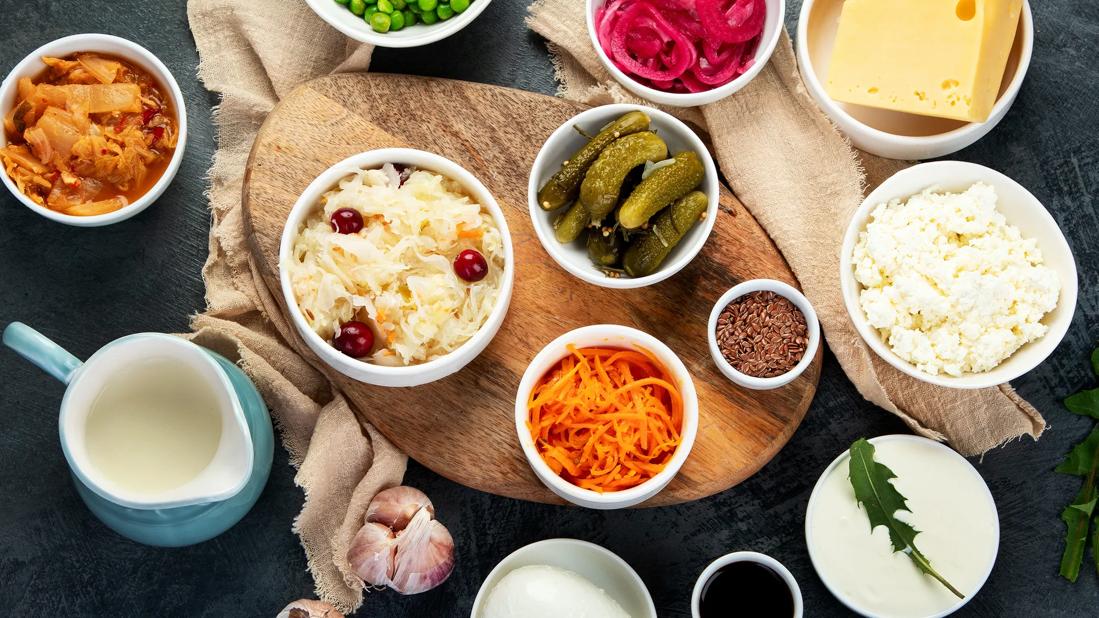
Fermented foods introduce beneficial bacteria directly into your gut ecosystem a cornerstone of digestive wellness in 2026.
9. Kefir
Gut Health EnergyKefir is a tangy, drinkable fermented milk product packed with diverse probiotic strains. It is naturally lower in lactose than regular milk, making it tolerable for many lactose-sensitive individuals. Research suggests kefir may help support gut barrier integrity and reduce inflammation in the digestive tract.
10. Kimchi & Sauerkraut
Gut Health Fat LossThese fermented cabbage dishes deliver probiotics alongside fiber and vitamins. Kimchi, with its Korean spice blend, and sauerkraut, with its simpler salt brine, both support microbiome diversity. Look for refrigerated versions with "live cultures" on the label, as pasteurized shelf stable versions have lost their beneficial bacteria.
11. Garlic & Onions
Gut Health Fat LossThese kitchen staples are prebiotic superstars. They contain inulin, a type of fiber that feeds beneficial gut bacteria. Cooking does not destroy their prebiotic benefits, making them incredibly easy to incorporate into daily meals. They also add flavor without calories, supporting weight management efforts.
12. Asparagus
Gut Health Fat LossAsparagus is one of the best natural sources of prebiotic fiber. It feeds beneficial bacteria and supports regular digestion. It is also low in calories and high in folate, making it a smart choice for anyone focused on both gut health and body composition.
13. Miso
Gut Health EnergyThis fermented soybean paste adds savory depth to soups and marinades while delivering probiotics and protein. A little goes a long way, and because it is fermented, it introduces beneficial bacteria directly into your system. Choose unpasteurized miso for maximum probiotic benefit.
14. Chicory Root & Dandelion Greens
Gut HealthChicory root is one of the richest sources of inulin, a prebiotic fiber. You may see it listed as "chicory root fiber" or "inulin" on ingredient labels in protein bars and coffee alternatives. Dandelion greens offer similar benefits and are increasingly available in grocery stores as consumers seek out bitter, nutrient-dense greens.
15. Sea Moss
Gut Health EnergyOne of the standout trends of 2026, sea moss is packed with minerals and fiber that support digestive health. It is emerging as a go-to ingredient for digestive support and overall wellness, showing up in smoothie add-ins and ready to drink wellness shots. Its mucilaginous texture may also help soothe the digestive tract.
16. Apples
Gut Health Fat LossThe saying "an apple a day" holds more truth than many realize. Apples contain pectin, a soluble fiber that acts as a prebiotic and supports the growth of beneficial bacteria. They also provide polyphenols that have antioxidant effects. Eating the whole fruit skin and all maximizes the fiber content.
Functional Foods That Support Fat Loss
Fat loss is not about deprivation it is about creating an environment where your body can efficiently use stored energy. Functional foods support this process by improving satiety, stabilizing blood sugar, reducing inflammation, and supporting metabolic health. In 2026, the conversation has shifted from "calories in, calories out" to metabolic wellness addressing how your body processes and utilizes the energy you consume.
According to consumer research, only about 11% of Americans currently think about "metabolic health" in relation to their food choices, but that number is growing. Functional foods that support metabolic wellness typically deliver protein, specific types of fiber, and healthy fats that help keep blood glucose within a healthy range.
17. Avocados
Fat Loss Energy Gut HealthAvocados are rich in monounsaturated fats and fiber, a combination that promotes satiety and helps regulate appetite hormones. Studies have shown that adding half an avocado to a meal can significantly increase feelings of fullness for several hours.They also support the absorption of fat soluble vitamins from other foods.
18. Almonds & Walnuts
Fat Loss Energy Gut HealthResearch from the California Almond Board has shown that almonds rich in protein, fiber, and healthy fats can support metabolic wellness by helping to reduce post-meal glucose spikes. Walnuts provide omega-3 fatty acids that support brain health and reduce inflammation. A small handful (about 1 ounce) makes a satisfying snack that curbs cravings.
19. Lentils & Chickpeas
Fat Loss Gut Health EnergyIn 2026, beans and legumes are trending as affordable, sustainable protein powerhouses. They are rich in resistant starch, a type of carbohydrate that resists digestion and feeds beneficial gut bacteria. Their high fiber and protein content makes them incredibly filling while supporting steady blood sugar levels. Social media trends like #BeanTok celebrate their budget friendly appeal and nutritional density.
20. Greek Yogurt
Fat Loss Gut Health EnergyGreek yogurt delivers twice the protein of regular yogurt, making it exceptionally satiating. The protein content supports muscle maintenance during weight loss, while the probiotics support gut health. Choose plain,unsweetened varieties to avoid added sugars that can undermine metabolic goals.
21. Chia Seeds & Flaxseeds
Fat Loss Gut Health EnergyThese tiny seeds are nutritional powerhouses. Chia seeds absorb water and expand in your stomach, promoting fullness. Flaxseeds contain lignans and omega-3 fatty acids that support hormonal balance and reduce inflammation. Both are excellent sources of soluble fiber that supports gut health and helps regulate blood sugar.
22. Broccoli & Brussels Sprouts
Fat Loss Gut Health EnergyThese cruciferous vegetables contain sulforaphane, a compound with potent antioxidant properties. They are also high in fiber and very low in calories, making them ideal for volume eating filling up your plate without excess calories. Their prebiotic fiber supports a healthy microbiome while their nutrients support detoxification pathways.
23. Blueberries & Raspberries
Fat Loss Gut Health EnergyBerries are polyphenol superstars. They support the growth of beneficial bacteria while limiting harmful ones. They are also relatively low in sugar compared to other fruits and have a low glycemic impact. Their high fiber content and water volume make them surprisingly filling for a fruit, supporting weight management efforts.
24. Extra Virgin Olive Oil
Fat Loss Gut Health EnergyHigh-quality extra virgin olive oil contains polyphenols that have anti-inflammatory effects and support beneficial gut bacteria. Unlike refined oils, EVOO retains its bioactive compounds. Research consistently links olive oil consumption to better metabolic markers and cardiovascular health. Use it for dressings and low to medium heat cooking.
25. Turmeric
Fat Loss Gut Health EnergyThe active compound in turmeric, curcumin, has been extensively studied for its anti-inflammatory properties. Chronic low-grade inflammation is increasingly recognized as a factor in weight gain and metabolic dysfunction. Pairing turmeric with black pepper enhances curcumin absorption by up to 2,000%. Add it to soups, scrambled eggs, or golden milk lattes.
How to Combine These Foods for Maximum Results
The real power of functional foods lies in combination. No single food will transform your health, but strategic pairings can amplify benefits. Here are three principles to guide your meal construction:
1. Pair prebiotics with probiotics. Eating prebiotic fiber (from garlic, onions, asparagus) alongside fermented foods (kefir, kimchi, miso) gives beneficial bacteria both the population and the fuel they need to thrive. A meal of grilled salmon with roasted asparagus and a side of kimchi hits multiple functional targets simultaneously.
2. Combine protein with fiber at every meal. This pairing is the foundation of metabolic health. Protein supports muscle maintenance and satiety, while fiber slows digestion and stabilizes blood sugar. Examples include Greek yogurt with chia seeds and berries, or lentils with broccoli and olive oil.
3. Eat the rainbow. Different colored foods contain different polyphenols and antioxidants. Red tomatoes, orange sweet potatoes, green spinach, blue blueberries, and purple cabbage each contribute unique compounds that support diverse gut bacteria and reduce oxidative stress. Aim for at least three colors on every plate.
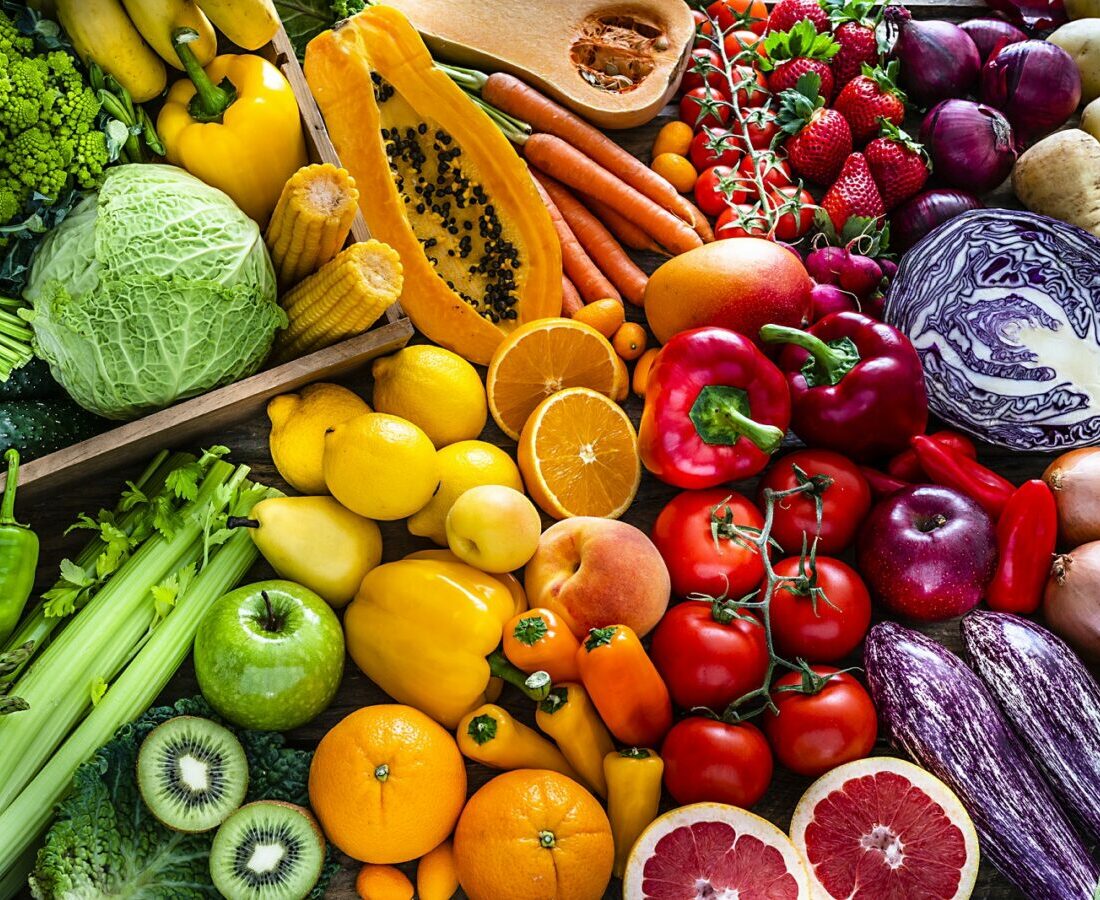
Eating a rainbow of colors ensures you are getting a diverse range of polyphenols, antioxidants, and fibers that support gut diversity and metabolic health.
Sample Functional Food Meal Ideas
Theory is helpful, but practice is what changes your health. Here are simple, realistic meal ideas that incorporate multiple functional foods from our list:
🌅 Breakfast: Energizing Bowl
Steel-cut oats topped with blueberries, chia seeds, and a dollop of Greek yogurt. Drizzle with a teaspoon of honey and sprinkle with cinnamon. This combines beta-glucan fiber, probiotics, omega-3s, and polyphenols in one warming bowl.
🥗 Lunch: Gut-Healing Salad
Mixed greens with roasted beets, chickpeas, avocado, and sauerkraut. Dress with extra virgin olive oil and lemon juice. Add a side of kimchi for extra probiotic power. This delivers prebiotics, probiotics, healthy fats, and nitrates.
🍽️ Dinner: Metabolic Support Plate
Grilled salmon with turmeric and black pepper, quinoa, roasted broccoli and Brussels sprouts, and a side of garlic-sauteed spinach. Finish with a small square of dark chocolate (70%+ cocoa). This covers protein, omega-3s, sulforaphane, curcumin, and polyphenols.
🥤 Snack: Sustained Energy
A small handful of almonds and walnuts with an apple, or a kefir smoothie with matcha, spinach, and half a banana. These snacks provide protein, fiber, and healthy fats that prevent energy crashes between meals.
Smart Shopping Tips for 2026
Navigating the grocery store can feel overwhelming with so many products claiming health benefits. Here are practical guidelines to keep your functional food choices simple and effective:
- Read labels, but keep it simple. The best functional foods have short ingredient lists. If a product has more than five ingredients and several are unrecognizable, it is probably not as functional as it claims.
- Choose whole over fortified. While fortified foods have their place, whole foods naturally contain the synergistic compounds your body recognizes. An orange is more functional than orange juice with added vitamin C.
- Prioritize frozen when fresh is not available. Frozen berries, spinach, and broccoli are often picked at peak ripeness and flash-frozen, preserving their nutrient content. They are also more affordable and reduce food waste.
- Buy fermented foods from the refrigerated section. Shelf-stable pickles and sauerkraut have been pasteurized, which kills beneficial bacteria. Refrigerated versions retain live cultures.
- Invest in quality oils. Extra virgin olive oil and algae oil (a rising trend in 2026) are worth the slightly higher price for their polyphenol and omega-3 content. Store them in dark bottles away from heat and light.
- Batch cook grains and legumes. Cook a large pot of quinoa or lentils on Sunday to use throughout the week. Having functional foods prepped makes healthy eating convenient, not complicated.
Final Thoughts: Food as a Foundation
The functional food movement in 2026 is not about perfection or restriction. It is about recognizing that what you eat can either support your body's natural systems or work against them. The 25 foods on this list are not exotic or expensive. They are everyday ingredients that have been consumed for centuries now understood through modern science to offer benefits that go far beyond calories and macronutrients.
You do not need to eat all 25 foods every week. Start with the ones that appeal to you and fit your budget. Add one or two new functional foods to your routine each month. Over time, these small choices compound into significant changes in how you feel, digest, and energize your life.
Remember that functional foods work best as part of an overall healthy lifestyle. Sleep, stress management, physical activity, and hydration all interact with nutrition to determine your health outcomes. Food is powerful, but it is one piece of a larger puzzle. Use these foods as tools to build a body that feels resilient, energized, and balanced.
Here is to eating with intention in 2026 not because you have to, but because you deserve to feel your best.


0 Comments