
From fiber revolution to personalized diets — what science says about eating smarter this year
Let's be honest: nutrition advice has never been more confusing. One day, carbs are the enemy. The next, they're essential. Keto dominates headlines, then Mediterranean takes the crown. If you're tired of the whiplash, you're not alone. As we move through 2026, something refreshing is happening the conversation is shifting from extreme restriction to sustainable, evidence-based eating that actually works for real people with real lives.
1Fiber Takes Center Stage: The Gut Health Revolution
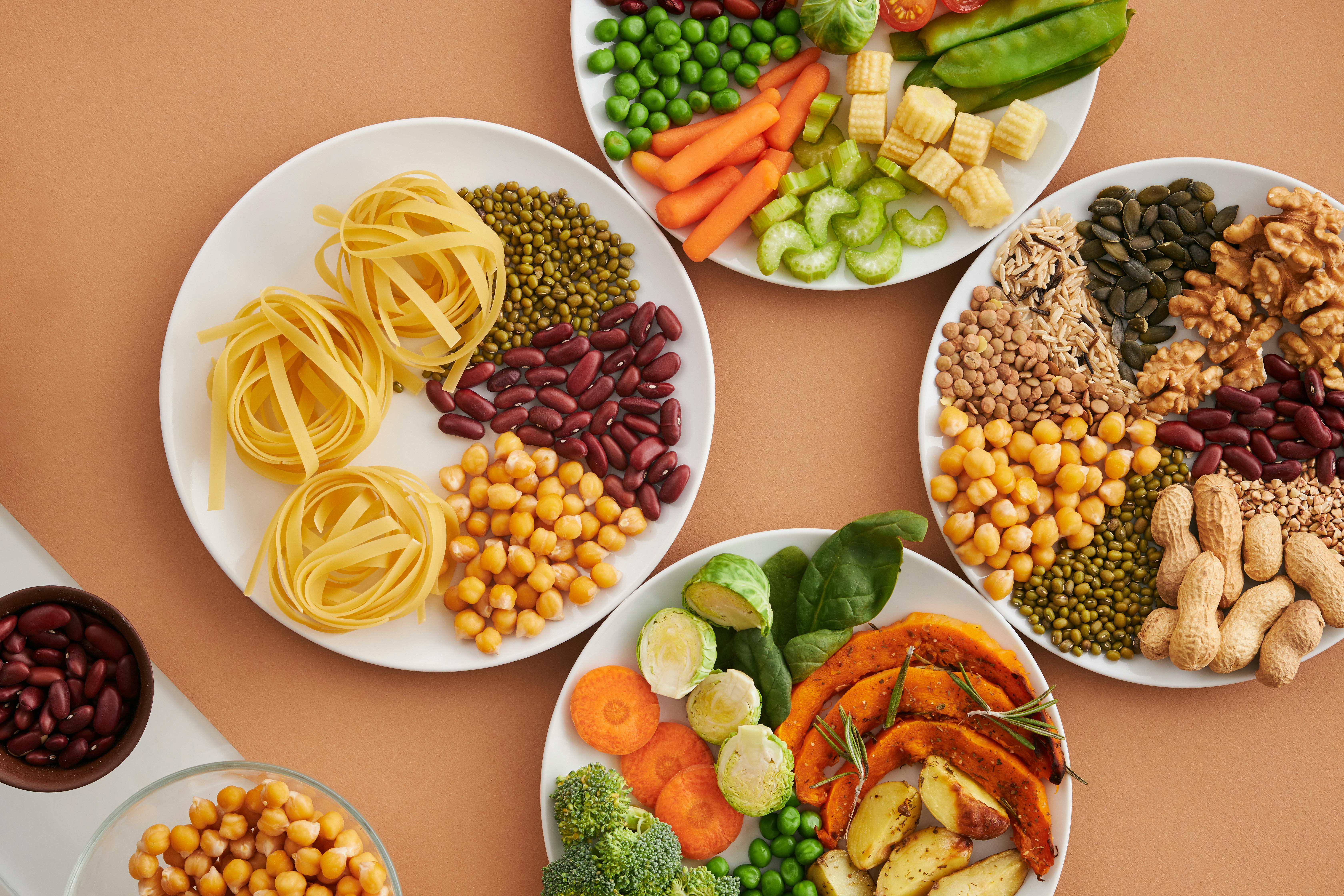
Fiber rich foods are finally getting the recognition they deserve.
For years, protein hogged the nutrition spotlight. And while protein absolutely matters (we'll get to that), 2026 is the year fiber finally gets its moment. According to specialist dietitian Priya Tew, author of The Complete Low-FODMAP Diet Plan, "Fibre has notoriously been one of the least sexy of nutrients, so it is great it gets its moment in the spotlight." [BBC Good Food]
Why the sudden obsession? It turns out fiber does far more than keep you regular. A landmark 2019 analysis published in The Lancet confirmed that higher fiber intake dramatically reduces the risk of heart disease, type 2 diabetes, and certain cancers. But here's what's really exciting scientists in 2026: the gut-brain axis.
Your gut microbiome — those trillions of bacteria living in your digestive tract — communicates directly with your brain through the vagus nerve. Fiber acts as a prebiotic, feeding beneficial bacteria that produce short-chain fatty acids. These compounds influence everything from mood regulation to immune function. As researchers at Kerry Health and Nutrition Institute note, "Gut health now underpins immune and cognitive wellbeing, making it one of the most cross-functional trends." [Kerry HNI]
How Much Fiber Do You Actually Need?
The daily recommendation is around 30 grams, but most people fall woefully short. The good news? You don't need expensive supplements or complicated meal plans. Here's how registered dietitians recommend increasing your intake gradually:
- Morning boost: Stir chia seeds or ground flaxseed into your smoothie or oatmeal
- Lunch upgrade: Swap refined grains for lentils, black beans, or quinoa
- Dinner hack: Load your plate with non-starchy vegetables plus a whole grain
- Smart snacking: Choose fruits with skin (apples, pears) over processed snacks
💡 Key Takeaway
- Increase fiber gradually over 2-3 weeks to avoid bloating
- Drink plenty of water fiber needs hydration to work properly
- One 400g can of beans contains half your daily fiber target
2Plant-Based Nutrition Evolves Beyond Meat Mimicry
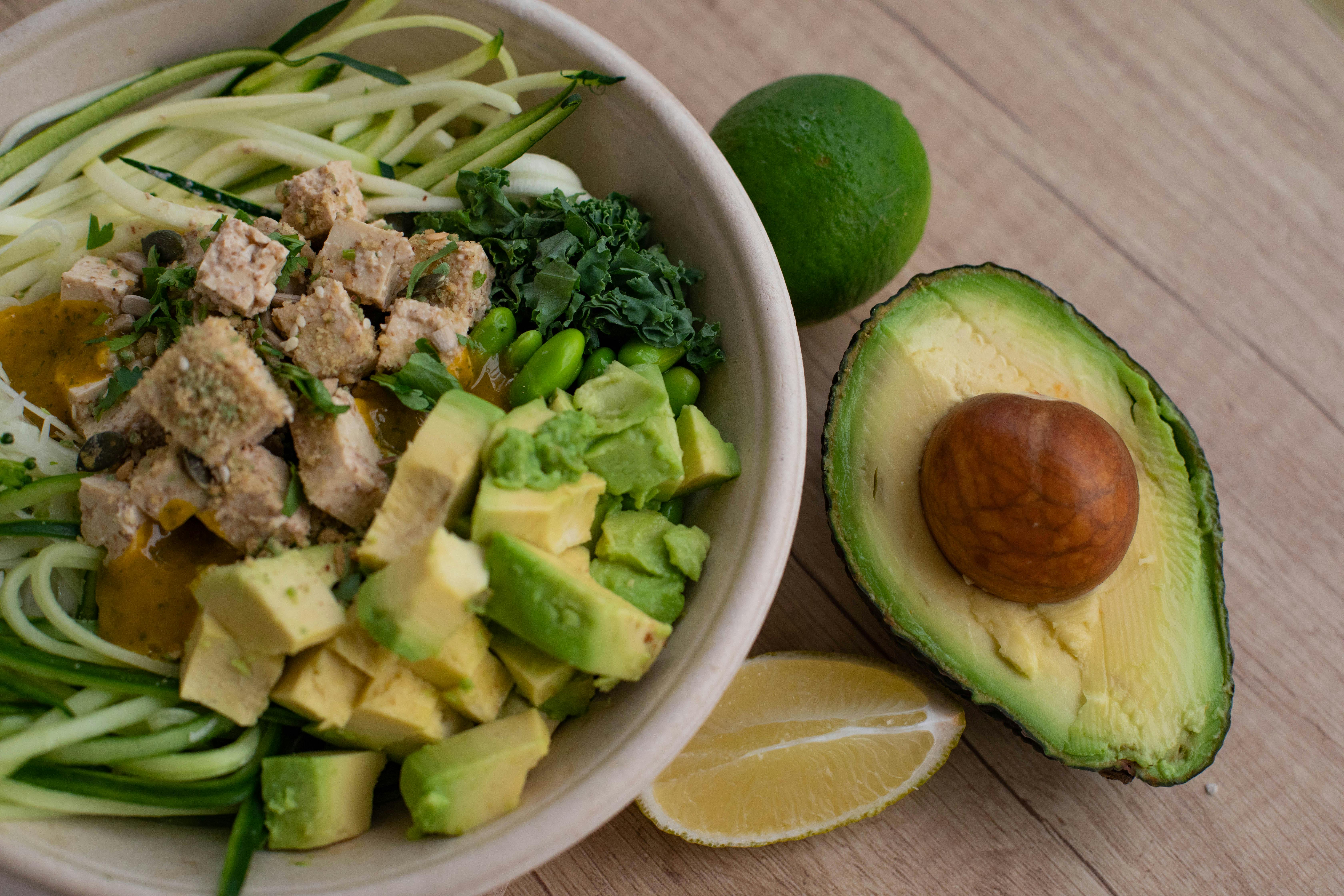
2026 sees a shift toward whole, natural plant proteins rather than ultra-processed alternatives.
Remember when plant-based eating meant stocking your freezer with meat-like burgers and sausages? Those days are fading. In 2026, the plant based movement is maturing and nutritionists couldn't be happier about it.
Registered dietitian Juliette Kellow explains the shift: "As the desire to remove ultra-processed foods from our diet grows, we're going to see a move away from products created to imitate meat to more natural alternatives."
This doesn't mean abandoning tofu or tempeh these traditional soy foods remain excellent protein sources. Rather, 2026 is about embracing whole food proteins in their natural form: beans, chickpeas, lentils, seeds, and nuts. The focus is on ingredients that deliver fiber, protein, and micronutrients without lengthy ingredient lists.
The Bean Boom
Lucy Jones, chief clinical officer at Oviva, is so confident about beans that she's calling 2026 "the year of the bean." Her reasoning is compelling: beans solve multiple dietary challenges simultaneously. They're protein-rich, fiber-packed, budget-friendly, sustainable, and incredibly versatile.
The statistics are striking. Every 50g of beans or legumes consumed daily is associated with a 6% lower all-cause mortality risk. Yet two-thirds of the UK population eats less than one portion of beans per week. Campaigns like "Bang In Some Beans" are working to double bean consumption by 2028, supported by major supermarkets and health organizations. [BBC Good Food]
Algae Oil: The New Kitchen Staple
One ingredient quietly revolutionizing plant-based cooking is algae cooking oil. Rich in heart-healthy omega-9 monounsaturated fatty acids and omega-3s, it offers 75% less saturated fat than comparable oils while providing superior sustainability credentials. Expect to see it on more grocery shelves as 2026 progresses.
"Some plant-based burgers that are designed to look and taste like meat can contain a high percentage of processed ingredients, which many people want to cut down on. As a result, I think we'll see a shift toward getting protein from more natural ingredients like beans, chickpeas, lentils, seeds and nuts."
3Personalized Nutrition: Your DNA, Your Diet
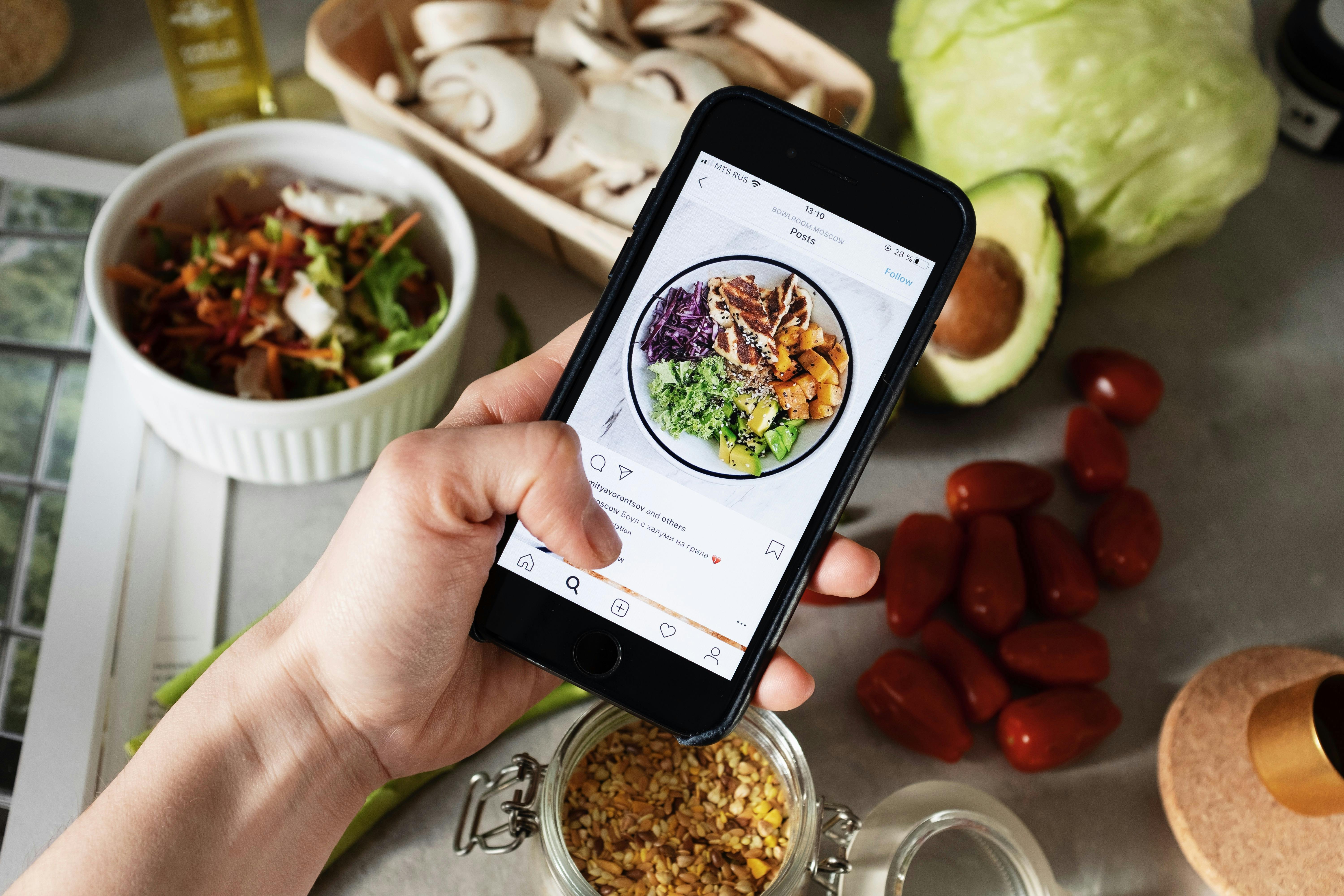
AI-powered nutrition apps are making personalized eating accessible to everyone.
The era of one-size-fits-all diet advice is officially over. In 2026, personalized nutrition is moving from expensive clinic visits to your smartphone. Thanks to advances in artificial intelligence, wearable technology, and at-home biomarker testing, understanding your unique nutritional needs has never been more accessible.
MyFitnessPal's team of registered dietitians predicts that "personalized nutrition assisted by AI will likely emerge as a trend soon." [MyFitnessPal] These tools analyze everything from your microbiome composition to continuous glucose monitoring data, creating meal recommendations tailored specifically to how your body responds to different foods.
What Does Personalized Nutrition Actually Look Like?
It ranges from simple to sophisticated:
- Basic level: Food logging apps that track your intake and suggest adjustments based on your goals
- Intermediate: Wearables that monitor blood glucose response to meals in real-time
- Advanced: DNA testing combined with microbiome analysis to identify optimal macronutrient ratios and micronutrient needs
Companies like Hims & Hers Health are already combining biomarker-based blood testing with AI-powered action plans. Meanwhile, retailers like Walmart have partnered with OpenAI to create AI-first shopping experiences that can suggest personalized grocery lists based on your health profile. [Kline Group]
💡 Key Takeaway
- Start simple with a food tracking app to understand your current patterns
- Consider a continuous glucose monitor if you have prediabetes or metabolic concerns
- Work with a registered dietitian to interpret data and create actionable plans
4Longevity Nutrition: Healthspan Over Lifespan

The focus is shifting from living longer to living better.
By 2030, one in six people worldwide will be over 60. This demographic shift is fundamentally changing how we think about nutrition. It's no longer just about adding years to life it's about adding life to years.
Kerry Health and Nutrition Institute identifies "Food for Health and Longevity" as one of the five key megatrends for 2026. [Kerry HNI] This means nutrition strategies that support cognitive function, maintain muscle mass, protect bone density, and reduce inflammation are taking center stage.
Brain-Boosting Nutrients to Prioritize
Cognitive health is a major focus within longevity nutrition. The nutrients getting the most attention include:
- Omega-3 fatty acids : Found in fatty fish, walnuts, and flaxseeds; essential for brain cell membrane integrity
- Polyphenols : Abundant in berries, dark chocolate, and green tea; powerful antioxidants that protect neural pathways
- B-vitamins : Particularly B6, B12, and folate; crucial for neurotransmitter production and homocysteine metabolism
- Antioxidants : Vitamin C, vitamin E, and selenium combat oxidative stress that accelerates brain aging
The Cruciferous Connection
Nutritional therapist Ian Marber highlights cruciferous vegetables cauliflower, broccoli, Brussels sprouts, cabbage, and kale as particularly important for men's health. These vegetables contain indole-3-carbinol and sulforaphane, natural plant chemicals linked to reduced prostate cancer risk. Research published in the Journal of Nutrition suggests these compounds not only inhibit cancer spread in early stages but may reduce the risk of developing aggressive forms of the disease. [BBC Good Food]
5Budget Friendly Wellness: Nutrition Equity in 2026

Healthy eating doesn't have to break the bank.
Here's a truth that doesn't get enough attention: healthy eating is becoming a social justice issue. With global food prices continuing to rise, nutrition equity has emerged as a critical priority. As Professor Martin Bloem of Johns Hopkins Bloomberg School of Public Health states, "Nutrition equity is rapidly becoming a global policy priority... people increasingly seek nutrition that is both functional and affordable." [Kerry HNI]
The good news? 2026 is seeing a surge in "value wellness" nutritious options that don't require a premium price tag. This isn't about compromising quality; it's about smart choices.
Your Budget Nutrition Toolkit
Registered dietitian Nancy from Nutrition With Nancy recommends these affordable staples:
- Beans, chickpeas, and lentils Cost on average 4.5 times less than meat alternatives while delivering protein and fiber
- Oats, rice, barley, and whole wheat pasta Shelf-stable, versatile, and nutrient-dense
- Eggs One of the most complete protein sources available at minimal cost
- Frozen fruits and vegetables Often more nutritious than "fresh" produce that's been transported for weeks
- Canned tuna or salmon Budget friendly omega-3 sources with long shelf life
The "Bang In Some Beans" campaign isn't just catchy marketing it's a genuine public health initiative supported by major UK supermarkets with the goal of doubling bean consumption by 2028. When you consider that diets low in beans are associated with up to 9,000 premature deaths annually in the UK alone, the importance of affordable nutrition becomes starkly clear.
6GLP-1 Medications & Smart Nutrition Strategies

Nutrient-dense eating is essential for anyone using weight-loss medications.
Love them or hate them, GLP-1 medications like Ozempic, Wegovy, and Mounjaro have fundamentally altered the nutrition landscape. By 2026, their influence extends far beyond the pharmacy they're reshaping grocery shopping habits, restaurant menus, and food product development.
A 2025 study found that within six months of starting GLP-1 medications, households reduced grocery spending by an average of 5.3%, with less spending on savory snacks and fast food but more on yogurt, fresh fruit, and nutrition bars. [Penn State Extension] However, there's a critical catch: when appetite is suppressed, getting adequate nutrition becomes more challenging, not less.
The Nutrient Density Imperative
Bridget Benelam, nutrition scientist at the British Nutrition Foundation, emphasizes that "eating foods that are rich in the nutrients we need relative to their calorie content is going to be key in 2026."When your stomach holds less food, every bite needs to count.
Priority nutrients for GLP-1 users include:
- Lean protein Chicken, fish, beans, tofu, and seafood provide selenium, zinc, and iodine
- Whole grains Deliver fiber, B vitamins, and iron
- Dairy or fortified alternatives Essential for calcium, iodine, and vitamin B12
- Green leafy vegetables Packed with folate, vitamin C, and vitamin A
"Long-term health could be affected if healthy eating and lifestyle changes aren't addressed when taking these medications. Making nutrient-dense foods the cornerstone of your diet can ensure that health and wellbeing are supported alongside weight loss."
Importantly, approximately one-third of GLP-1 users discontinue the medication, and their food purchases often return to previous sometimes less healthy patterns. This underscores the importance of developing sustainable eating habits regardless of medication use.
7Global Flavors Meet Functional Nutrition

International cuisines offer both incredible taste and powerful health benefits.
Healthy eating in 2026 is anything but boring. The biggest flavor trend? "Fricy" a delicious marriage of fruits and spices that's taking over everything from marinades to desserts. Think guava with gochujang, passionfruit with star anise, or hot honey drizzled over roasted vegetables.
EatingWell magazine, which accurately predicted 2025 trends like high-protein ingredients and tropical fruits, identifies global flavors as one of the dominant forces shaping 2026. [EatingWell] Major brands are expanding their palates McCormick named black currant, prominent in European cuisine, as their 2026 Flavor of the Year.
Functional Flavors with Real Benefits
Beyond taste, many trending global ingredients offer genuine health benefits:
- Matcha : Despite global shortages, matcha continues expanding from coffee shops to bakeries, delivering concentrated antioxidants and L-theanine for calm focus
- Turmeric and ginger : Anti-inflammatory powerhouses appearing in everything from shots to soups
- Mushroom coffee : Blends featuring lion's mane and chaga promise smoother energy without crashes while supporting immunity and cognitive function
- Adaptogens: Herbs like ashwagandha, rhodiola, and maca root help the body mediate stress by interacting with cellular systems
The beauty of this trend is that it makes healthy eating genuinely enjoyable. When your meals burst with authentic flavors from Korea, Malaysia, South America, or the Middle East, you don't feel like you're on a diet you're simply eating well.
8AI & Food Technology: The Smart Kitchen Revolution
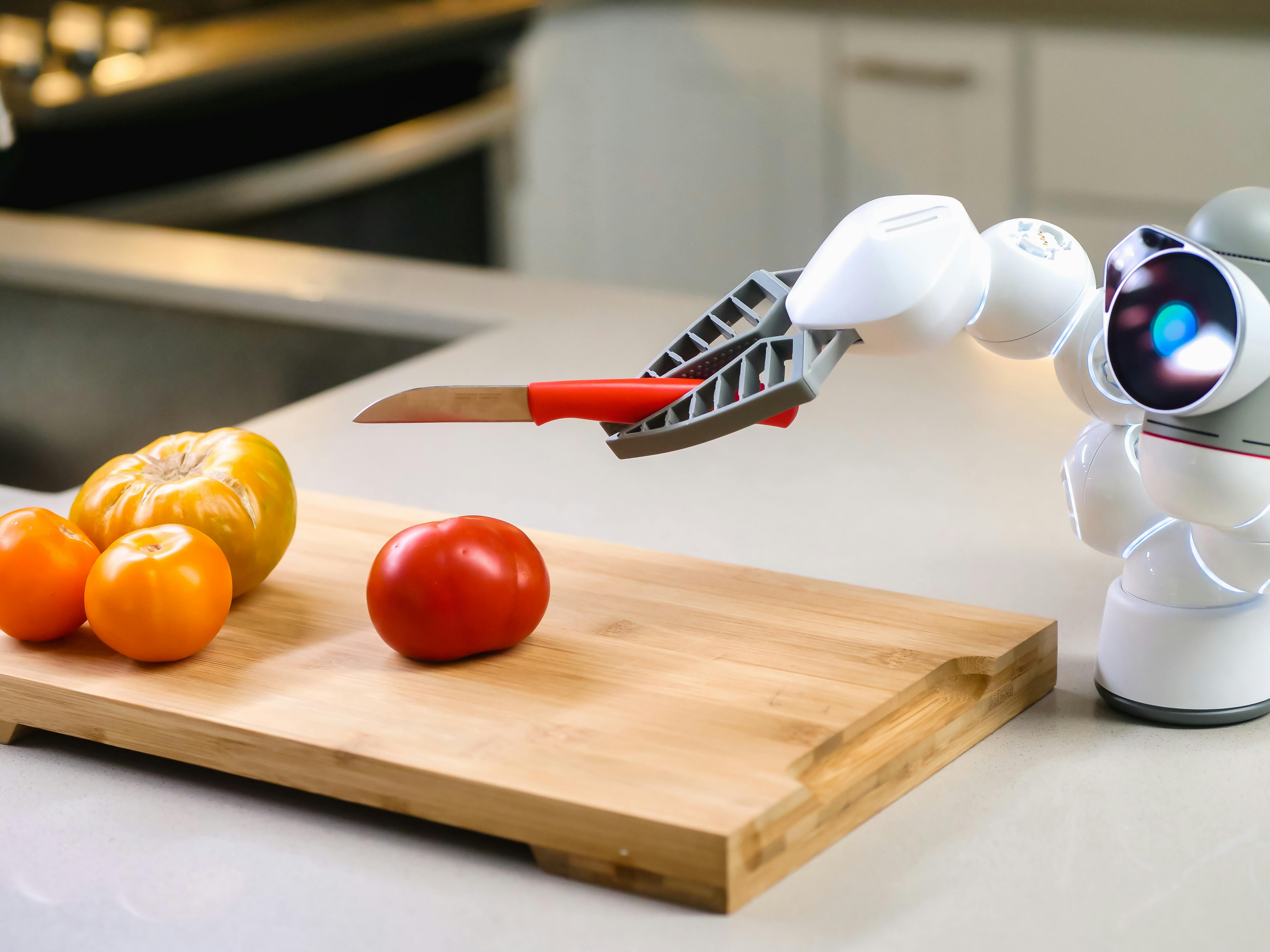
Technology is making it easier than ever to eat well consistently.
Artificial intelligence isn't just changing how we work it's transforming how we eat. In 2026, AI has penetrated every stage of the food consumption cycle, from recipe discovery to grocery delivery to post-meal feedback.
Professor Imed Gallouzi of KAUST Centre of Excellence for Smart Health notes, "We are entering an era where precision nutrition, biotransformation, fermentation, and smart AI-enabled supply chains are no longer emerging trends; they are becoming the backbone of a healthier global food system." [Kerry HNI]
Tech Innovations Making Nutrition Easier
- Smart packaging : QR codes on plant based products that drive consumers to immersive web apps with gamified nutrition education
- Precision fermentation : Cleaner, more efficient production of ingredients and flavors using engineered microorganisms
- CRISPR-edited crops : Climate-resilient, nutrient-enhanced foods developed through gene editing
- Real-time health monitoring : Continuous glucose monitors and microbiome testing powering next-gen precision nutrition platforms
However, dietitian Jennifer Low offers an important counterpoint: "These trackers are proved time and again to be inaccurate. They can drive anxiety, create food rules and mean that we stop listening to the innate wisdom of our body." The key is using technology as a tool, not a replacement for intuitive eating and body awareness.
🎯 Your Action Plan for Eating Better in 2026

Small, consistent changes create lasting health improvements.
After reviewing the research, consulting expert predictions, and analyzing emerging science, here's the bottom line: 2026 isn't about perfection. It's about progress. The trends converging this year all point toward one central theme sustainable, personalized, evidence-based eating that respects both your health and your circumstances.
Start With These Five Steps
- Add one fiber rich food daily Whether it's beans at lunch or berries at breakfast, start small and build gradually
- Embrace whole plant proteins Swap one processed plant-based product per week for whole foods like lentils, chickpeas, or nuts
- Listen to your body Use technology as a guide, but trust your hunger cues, energy levels, and satisfaction signals
- Experiment with global flavors Try one new spice or international recipe weekly to keep healthy eating exciting
- Prioritize nutrient density Focus on foods that deliver the most nutrition per calorie, especially if managing appetite
🌟 The Bottom Line
- Fiber and protein are the dynamic duo of 2026 nutrition
- Whole, minimally processed foods beat ultra-processed alternatives every time
- Personalization matters, but shouldn't replace basic nutritional common sense
- Budget-friendly healthy eating is not only possible it's essential
- Technology helps, but your body's wisdom remains your best guide
As MyFitnessPal's registered dietitians collectively advise, the hope for 2026 is that we all get "obsessed with balance." Not restriction. Not extremes. Just balanced, nourishing, enjoyable eating that supports a long, healthy, vibrant life.
This article is for informational purposes only and does not constitute medical advice. Always consult with a qualified healthcare provider or registered dietitian before making significant changes to your diet, especially if you have existing health conditions or are taking medications. Individual nutritional needs vary based on age, sex, activity level, and health status.


0 Comments